Your landscape is only as strong as the plants in it. The right bushes give your property structure, color, and curb appeal without demanding hours of weekend maintenance. The wrong ones fight your soil, outgrow their space, and end up on next year's removal list.
This guide covers the best landscaping bushes and shrubs for yards in Southern Indiana, the Evansville and Newburgh area, and the broader Tri-State region. Bushes and shrubs are two words for the same plants, so use whichever one you grew up with. Every pick on this list is proven in USDA Zone 7a, tolerates our clay-heavy soil and humid summers, and earns its place with multi-season interest or low-maintenance performance.
Whether you are filling in a bare foundation, adding privacy along a fence line, or replacing overgrown bushes that have seen better days, you will find the right fit here.
Every project is different. The pricing and timelines discussed here are general estimates based on typical projects in our area. Your actual costs and schedule will depend on your property, materials, scope of work, and other factors. Contact us for a personalized estimate.
How to Choose the Right Bushes and Shrubs for Your Yard
Before picking species, take stock of your site conditions. The best bush for your neighbor's front bed might struggle in yours if the light, soil, or drainage is different.
- Sun exposure is the single biggest factor. Walk your property and note which areas get full sun (6+ hours of direct light), part shade (3 to 6 hours), or full shade (under 3 hours). Most flowering shrubs need full sun to bloom well. Shade-tolerant options exist, but the list is shorter.
- Soil type matters more than most homeowners realize. Much of the Tri-State area sits on clay-heavy soil that holds moisture and drains slowly. Some shrubs love this. Others rot in it. Knowing your soil saves you from expensive replacements.
- Mature size is where most planting mistakes happen. That cute 2-gallon shrub from the garden center might mature at 8 feet tall and 6 feet wide. Always check the mature dimensions on the plant tag and measure your available space before buying.
- Purpose drives the design. Foundation plantings need compact, well-behaved shapes. Privacy screens need height and density. Accent plantings need color or texture that draws the eye. Match the shrub to the job.
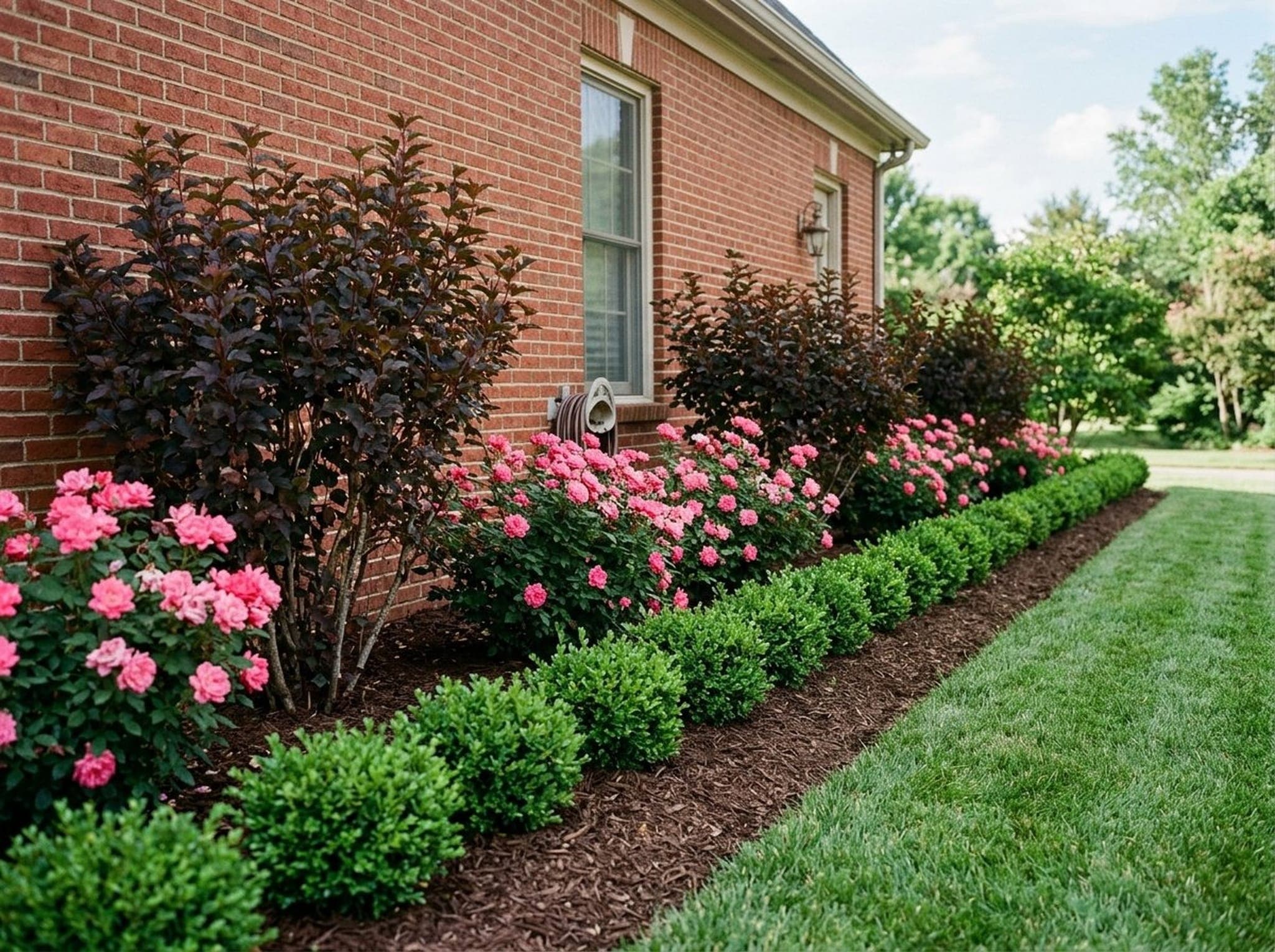
Best Evergreen Shrubs for Year-Round Structure
Evergreens are the backbone of any landscape. They hold their foliage through winter, provide a green framework when everything else is dormant, and give your property a finished look 365 days a year.
Boxwood
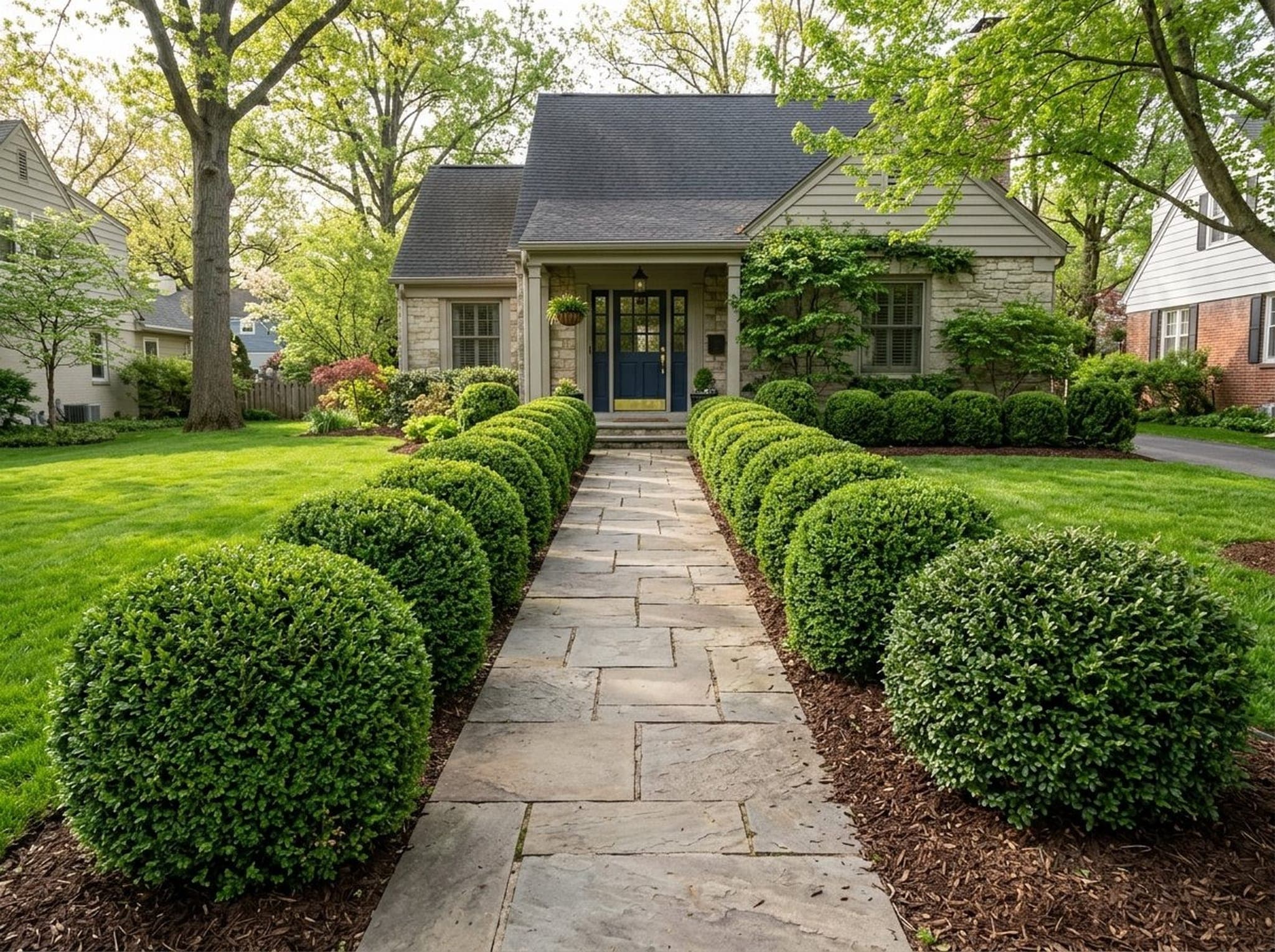
Boxwood is the most reliable foundation shrub in our region. It stays dense and compact with minimal pruning, tolerates both sun and part shade, and its fine-textured foliage pairs well with almost any home style.
Best varieties for Zone 7a: Green Velvet (3 to 4 feet), Winter Gem (4 to 6 feet), and Sprinter (2 to 4 feet). These cultivars resist boxwood blight better than older varieties like American boxwood.
Boxwood prefers well-drained soil, so if your yard has heavy clay, plant it slightly elevated or in raised beds. Water deeply during the first two summers to establish roots.
Arborvitae
For privacy screens and tall hedges, arborvitae remains the top choice in the Tri-State area. Green Giant arborvitae grows 3 to 5 feet per year and matures at 40 to 60 feet, making it the fastest way to block a view. For smaller spaces, Emerald Green arborvitae tops out at 12 to 15 feet with a narrow 3 to 4 foot spread.
Plant arborvitae in full sun with good air circulation. The biggest threat in our area is bagworms. Inspect annually in late May and hand-pick egg cases before they hatch.
Best Flowering Shrubs for Seasonal Color
Flowering shrubs deliver the color and visual impact that make a landscape feel alive. These varieties are proven performers in Zone 7a.
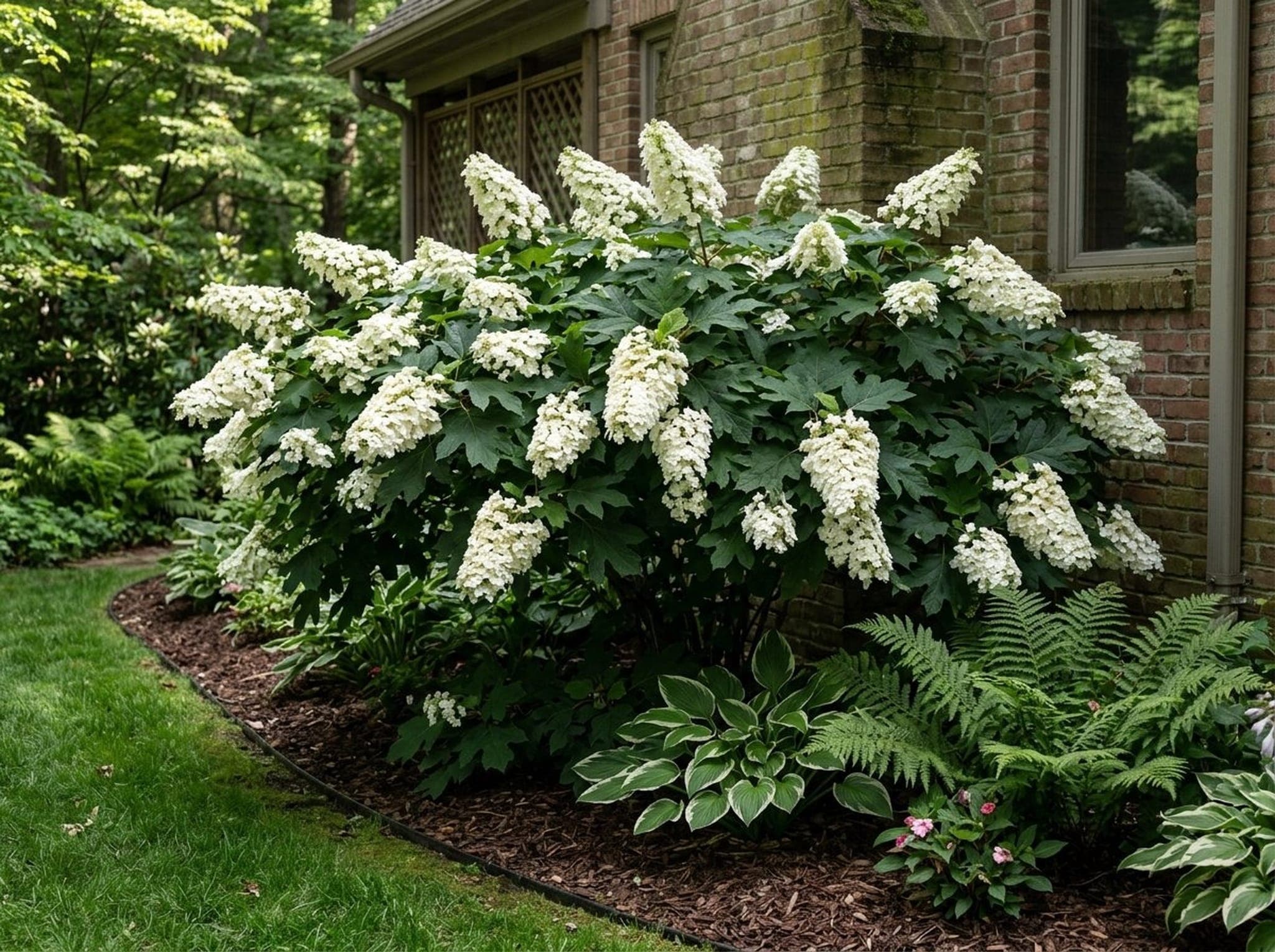
Oakleaf Hydrangea
Oakleaf hydrangea is a workhorse in Southern Indiana landscapes. Large cone-shaped white blooms appear in early summer and age to pink and burgundy. The oak-shaped leaves turn deep red in fall. Even in winter, the peeling cinnamon-colored bark adds interest.
This is one of the few flowering shrubs that actually prefers part shade, making it ideal for the north side of your house or under tall trees. It grows 4 to 6 feet tall and wide. Give it room.
Knockout Rose
Knockout roses changed the game for homeowners who love roses but hate the maintenance. They bloom continuously from late spring through the first hard frost, resist black spot disease, and need nothing more than an annual late-winter trim.
In the Evansville and Newburgh area, knockout roses perform best in full sun with good air circulation. Space them 3 to 4 feet apart in mass plantings for maximum visual impact. Available in red, pink, coral, yellow, and white.
Forsythia
Nothing says spring in Southern Indiana like a forsythia in full bloom. Bright yellow flowers cover the bare branches in early March before any other shrub has woken up. It is fast-growing, tough as nails, and completely unfussy about soil.
The downside: forsythia is a one-season performer. After the flowers fade, you get plain green foliage for the rest of the year. Use it as a background shrub or along fence lines where the spring show matters most. Prune immediately after flowering because next year's buds form on this year's growth.
Spirea
Spirea offers more variety than almost any other flowering shrub. Bridal Wreath spirea gives you cascading white flowers in spring. Goldflame spirea provides pink summer blooms against gold and orange foliage. Double Play series shrubs stay compact at 2 to 3 feet, perfect for small beds.
All spireas are easy to grow in full sun, tolerate clay soil, and attract pollinators. They respond well to annual pruning and look fresh with just a late-winter shearing.
Little Lime Hydrangea
Little Lime is a compact panicle hydrangea that tops out at 3 to 5 feet, making it a better fit for smaller yards and tight foundation beds where a full-sized hydrangea would overwhelm the space. Lime-green flowers appear in midsummer and gradually shift to pink and burgundy as fall arrives.
Unlike oakleaf hydrangea, Little Lime blooms on new wood, so you can cut it back hard in late winter without sacrificing flowers. It handles full sun to part shade and is not picky about soil. If you want hydrangea impact without the size commitment, this is the one to plant.
Best Shrubs for Privacy Screening
If you can see directly into your neighbor's kitchen, these shrubs will fix that.
Arborvitae (Green Giant)
Already covered above, but worth repeating here. Green Giant arborvitae is the fastest and most reliable privacy screen for the Tri-State area. Plant 5 to 6 feet apart for a solid wall within 3 to 4 years.
Southern Arrowwood Viburnum
This Indiana native grows 6 to 10 feet tall with a dense, multi-stemmed habit that blocks views effectively. White flower clusters in spring attract butterflies. Blue-black berries in fall feed songbirds. Fall foliage ranges from yellow to reddish-purple.
Arrowwood viburnum handles clay soil, part shade, and wet conditions better than most privacy shrubs. It also spreads by suckers, which is an advantage when you want a thick hedge but something to manage if you plant it near a formal bed.
Privet
Chinese privet and Japanese privet grow fast and fill in thick, making them popular hedge plants. They tolerate heavy pruning and stay green nearly year-round in mild Zone 7a winters.
A word of caution: privet can be aggressive. Some species are invasive in parts of the Southeast. Stick to cultivated varieties from a reputable nursery and keep them pruned. If you prefer a native alternative, arrowwood viburnum or winterberry holly serve similar functions.
Best Shrubs for Difficult Spots
Every yard has at least one problem area. These shrubs actually thrive where others fail.
Ninebark for Clay Soil and Full Sun
Ninebark is native to the Midwest and perfectly adapted to our heavy clay. Diabolo ninebark offers deep burgundy foliage that holds its color all season. Amber Jubilee shifts from orange to gold to green. Both grow 5 to 8 feet tall and attract beneficial insects.
This is one of the toughest landscape design shrubs available. No supplemental watering after establishment. No pest or disease issues worth mentioning. Just reliable structure and color, year after year.
Winterberry Holly for Wet Areas
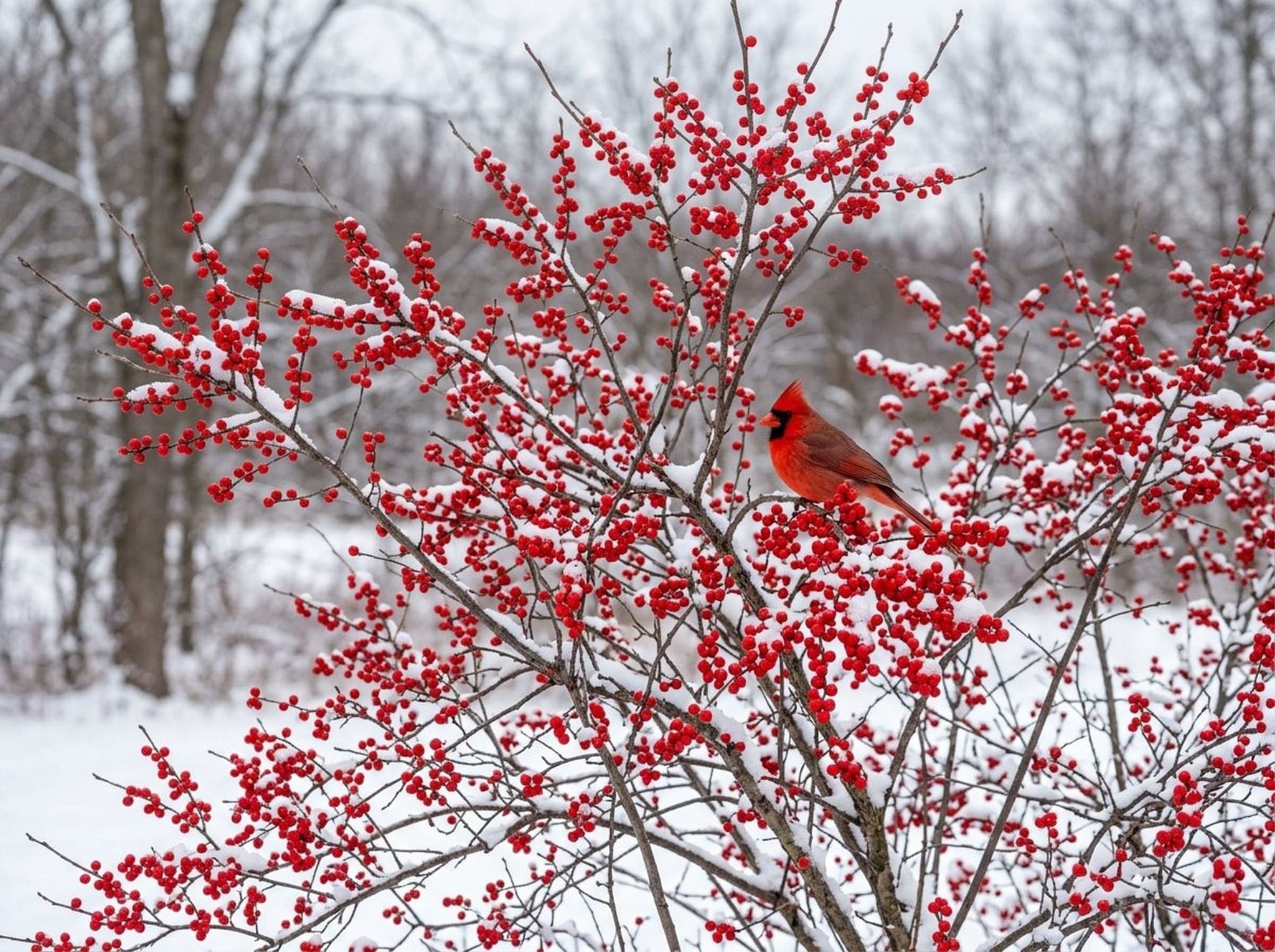
Got a low spot that stays damp after rain? Winterberry holly loves it. This native deciduous holly drops its leaves in fall to reveal brilliant red berries that last well into winter. Birds love them, and the bare-branch berry display is genuinely stunning against snow.
You need both a female (berry-producing) and male (pollinator) plant for fruit. One male pollinates up to five females within 40 feet. Plant in full sun to part shade in consistently moist soil.
Sweetspire for Shade
Virginia sweetspire thrives in the shade and moisture conditions that defeat most shrubs. Fragrant white flower spikes appear in early summer, and the foliage turns brilliant red to purple in fall. It tops out at 3 to 4 feet, making it an excellent choice for foundation beds on the shady side of your house.
Sweetspire spreads gradually by suckers to form a dense colony, which is ideal for filling in a shaded bed but worth knowing if you prefer tighter control. The cultivar Henry's Garnet is the most widely available and offers the best fall color of any variety.
Foundation Planting Design Tips
A well-designed foundation planting follows a few simple principles that separate professional-looking landscapes from random collections of plants.
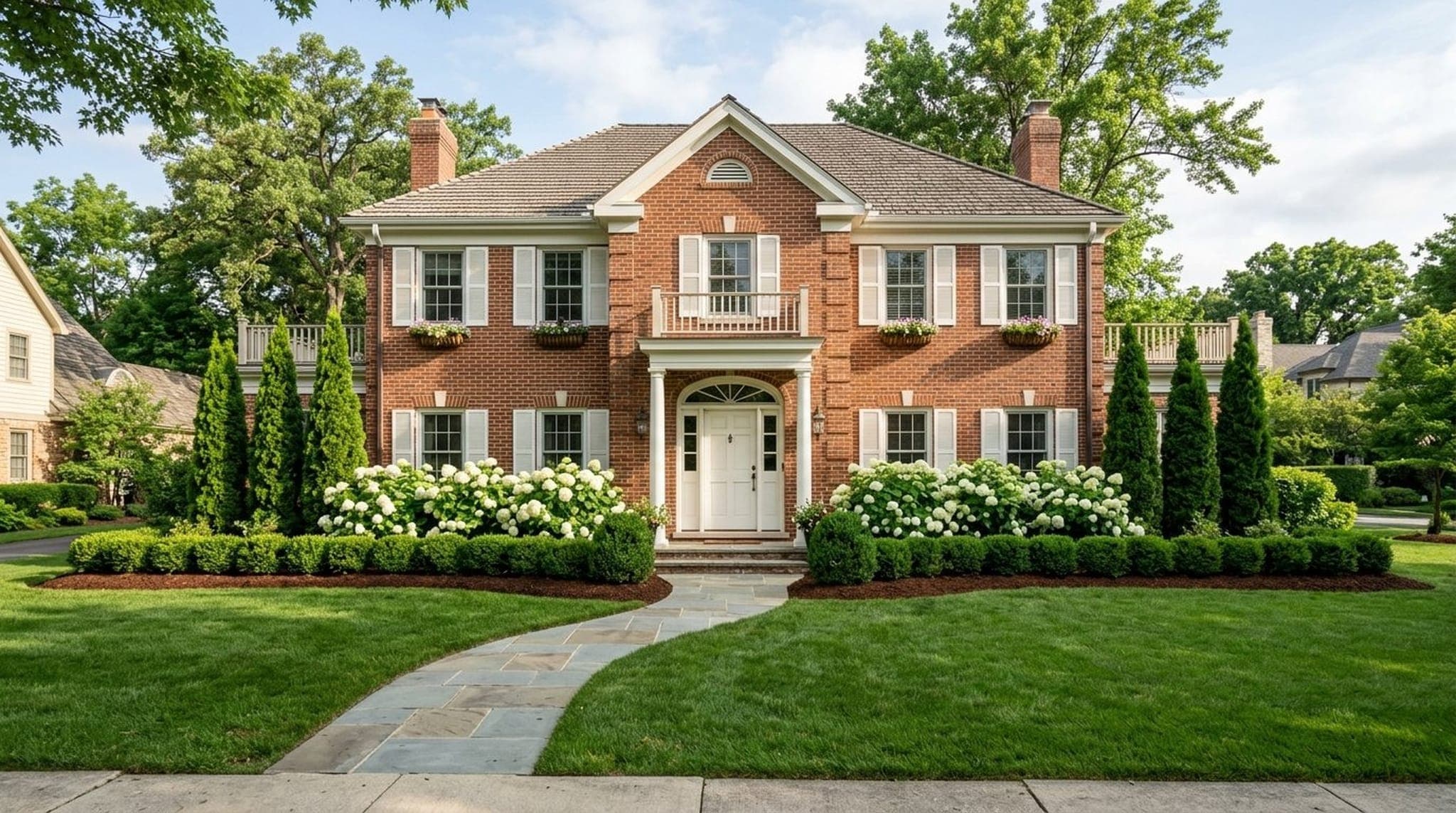
- Layer by height. Place the tallest shrubs at the corners and back of beds. Mid-sized shrubs fill the middle. Low-growing varieties go along the front edge. This creates depth and prevents tall plants from hiding shorter ones.
- Repeat for rhythm. Instead of planting one of everything, repeat two or three key species throughout the bed. Repetition creates visual flow and makes the design feel intentional. Three boxwoods spaced evenly across the front of a bed instantly look more polished than three different species.
- Mix evergreen and deciduous. A bed of all evergreens looks static. A bed of all flowering shrubs looks bare in winter. Combine both for year-round structure with seasonal pops of color. A good rule of thumb: at least 50% of your foundation shrubs should be evergreen.
- Leave room for growth. This is where most DIY plantings go wrong. The shrubs look sparse at first, so homeowners plant too close together. Three years later, everything is jammed up and competing for light. Always space based on mature width, not the size in the pot.
- Match the scale to your house. A single-story ranch needs shrubs that top out at 3 to 4 feet. A two-story colonial can handle 5 to 6 foot shrubs along the foundation. Overly tall foundation plantings make a house look smaller and block natural light from windows.
When planning your foundation beds, stand at the street and look at your home from a visitor's perspective. That view is what you are designing for. Take a photo and sketch your planting plan on top of it before buying anything.
When to Plant Shrubs in the Tri-State Area
Timing your planting right gives shrubs the best chance to establish strong roots before stress sets in.
Spring planting (March through May) works well for most shrubs, especially if you can get them in the ground by mid-April. This gives roots several months to establish before summer heat arrives. Water consistently through the first summer.
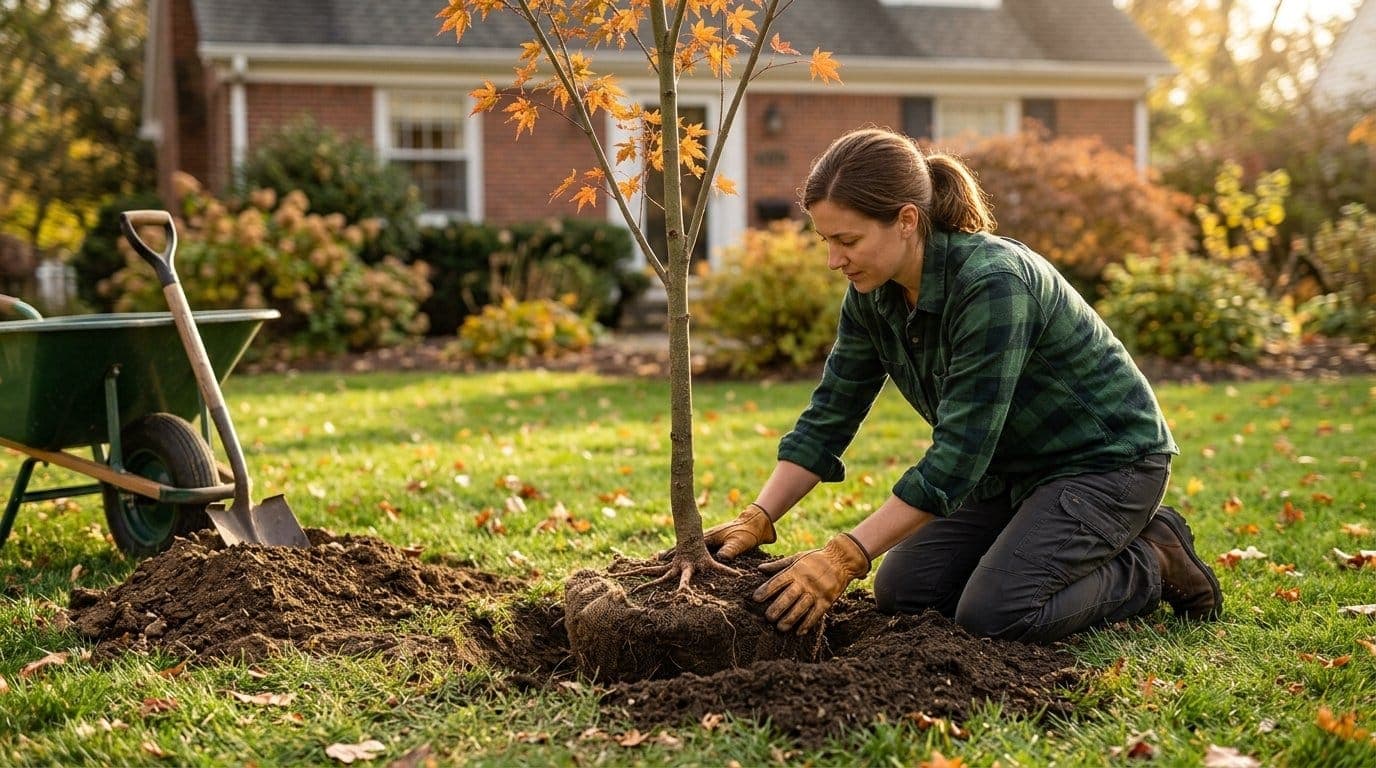
Fall planting (September through November) is actually the best time for shrubs in our climate. Soil is still warm enough for root growth, but cooler air temperatures reduce water loss through leaves. Roots continue growing through fall and early winter, giving the plant a head start on spring growth.
Avoid summer planting (June through August) when possible. High heat and humidity stress newly planted shrubs heavily. If you must plant in summer, water daily for the first two weeks and provide afternoon shade for sensitive species.
Regardless of when you plant, scheduling your landscape project ahead of time ensures you get the plants and labor you need during peak season.
Common Shrub Planting Mistakes to Avoid
These mistakes account for most shrub failures in the first two years after planting.
- Planting too deep. The root flare (where the trunk widens at the base) should sit at or slightly above soil level. Burying it leads to root rot and bark decay. This single mistake kills more shrubs than any pest or disease, according to Purdue Extension's tree and shrub installation guide.
- Volcano mulching. Piling mulch against the trunk creates a moisture trap that invites disease and rodent damage. Keep mulch 2 to 3 inches deep and pull it back 3 inches from the base of each shrub.
- Ignoring mature size. That 18-inch nursery plant might grow to 8 feet. Always read the tag. If the mature size is too large for your space, pick a different variety rather than planning to "keep it pruned." Constant size reduction weakens shrubs over time.
- Skipping the first-year watering. Even drought-tolerant shrubs need consistent moisture during their first growing season while roots establish. Water deeply once or twice a week rather than light daily sprinkles. Deep watering encourages roots to grow down, not stay near the surface.
- Planting in amended holes. If you fill the planting hole with potting soil and your native soil is clay, water flows into the loose mix and cannot drain out through the surrounding clay. This bathtub effect drowns roots. Backfill with the same soil you dug out.
What Professional Shrub Installation Includes
If planting sounds like more work than you want to take on, a professional landscape installation handles the entire process from design through planting.
- Design consultation. A landscape designer visits your property to assess sun exposure, soil conditions, drainage patterns, existing plants, and your goals. They create a planting plan that accounts for mature sizes, seasonal interest, and maintenance level.
- Plant sourcing. Professional landscapers source from wholesale nurseries, which means access to larger, healthier specimens than most retail garden centers carry. They also know which cultivars perform best in local conditions.
- Site preparation. This includes removing old shrubs if needed, amending soil where necessary, and ensuring proper grading and drainage before anything goes in the ground.
- Installation and mulching. Each shrub is planted at the correct depth and spacing, then the beds are mulched to conserve moisture and suppress weeds. A professional crew can install a full foundation planting in a single day.
- Warranty. Colonial Classics offers a two-year plant warranty when our team installs the shrubs, and a one-year warranty when you purchase plants from us and install them yourself. Both cover replacement of any plant that fails to establish under normal conditions.
Putting Your Planting Plan Together
Start with the bones. Pick two or three evergreen species (boxwood or arborvitae depending on scale) to create year-round structure. Then layer in one or two flowering shrubs (knockout roses, hydrangeas, or spirea) for seasonal color. If you have a wet spot or deep shade, fill it with a specialist like winterberry holly or sweetspire.
For a typical front foundation bed on a single-story home, a balanced plan might include:
- 5 to 7 boxwoods along the front edge for a low evergreen border
- 2 to 3 oakleaf hydrangeas behind the boxwoods for summer blooms and fall color
- 1 taller accent (arborvitae or ninebark) at each corner for height
This gives you green structure in every season, a summer bloom show, fall foliage interest, and a clean winter silhouette. If you would rather skip the weekend of digging in clay, professional installation handles plant sourcing, soil prep, and planting in a single day.
Your yard deserves shrubs that actually work for your conditions. Pick varieties proven in our Zone 7a climate, space them for their mature size, and give them one good year of watering. The payoff is a landscape that looks better every season with less and less effort from you. If you want help choosing the right plants or designing a planting plan, reach out to our team for a free consultation.