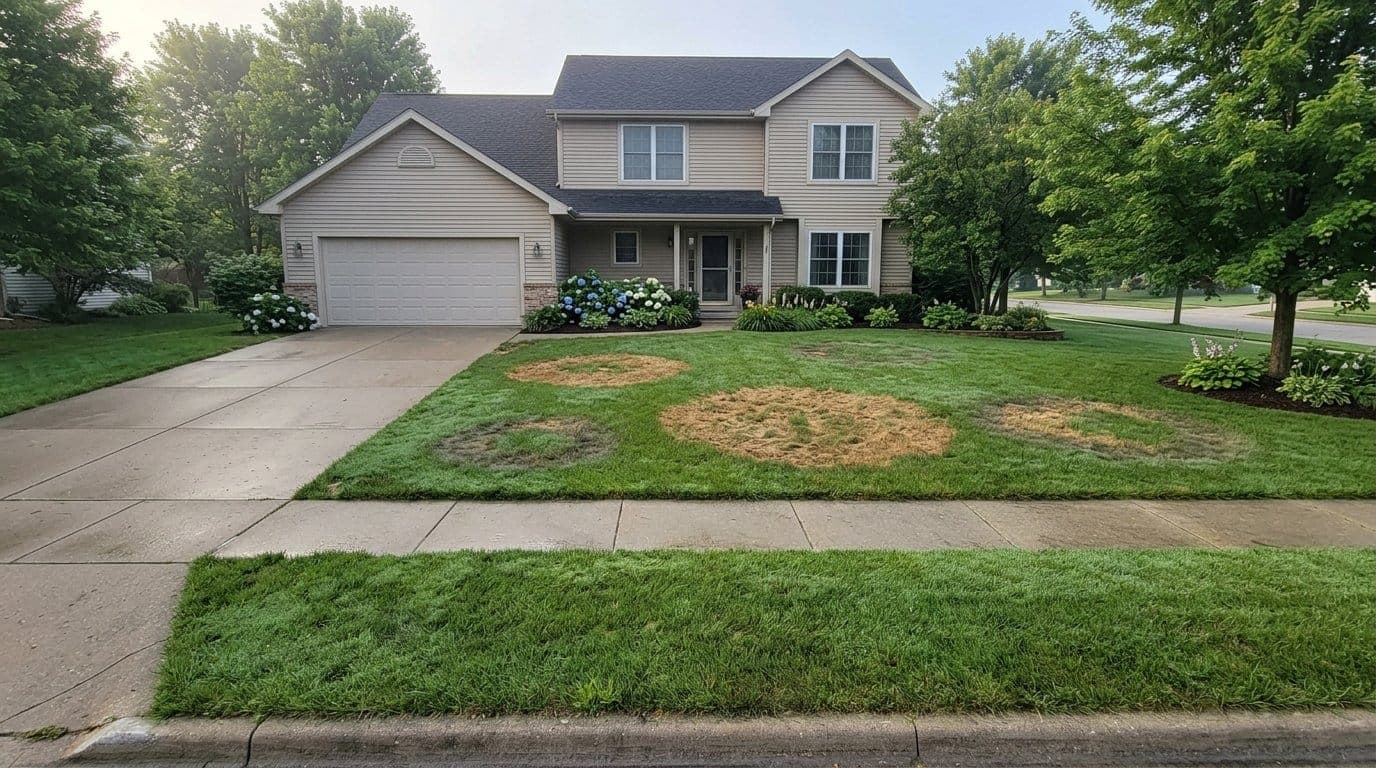
You planned to get pre-emergent down early this spring. Then life happened. Now it is late March and you are wondering if you missed the window.
The short answer: in Southern Indiana, late March is borderline. Depending on how warm the spring has been, you may still have time. But the window is closing fast, and every warm day narrows it further. This applies whether you are in Newburgh, Evansville, or anywhere across the Tri-State area into Illinois and Kentucky. The soil temperature trigger is the same across the region.
Here is how to know exactly where you stand and what to do next, whether you are still in time or need a backup plan.
How Pre-Emergent Actually Works
Pre-emergent herbicide does not kill weeds. It creates a chemical barrier in the top layer of soil that prevents weed seeds from successfully germinating. Think of it as a shield that sits just below the surface. When a crabgrass seed tries to send out its first root, the barrier stops it before it ever breaks through.
This is why timing matters so much. The barrier has to be in place before seeds start germinating. Once a crabgrass plant has emerged from the soil, pre-emergent cannot touch it. You have missed that particular seed's window.
The two most common active ingredients in residential pre-emergent products are prodiamine (sold as Barricade) and dithiopyr (sold as Dimension). Prodiamine provides longer residual control. Dithiopyr offers a short window of early post-emergent activity on newly germinated crabgrass, making it more forgiving if your timing is slightly late.
What Soil Temperature Triggers Crabgrass Germination?
Crabgrass does not germinate based on the calendar. It responds to soil temperature.
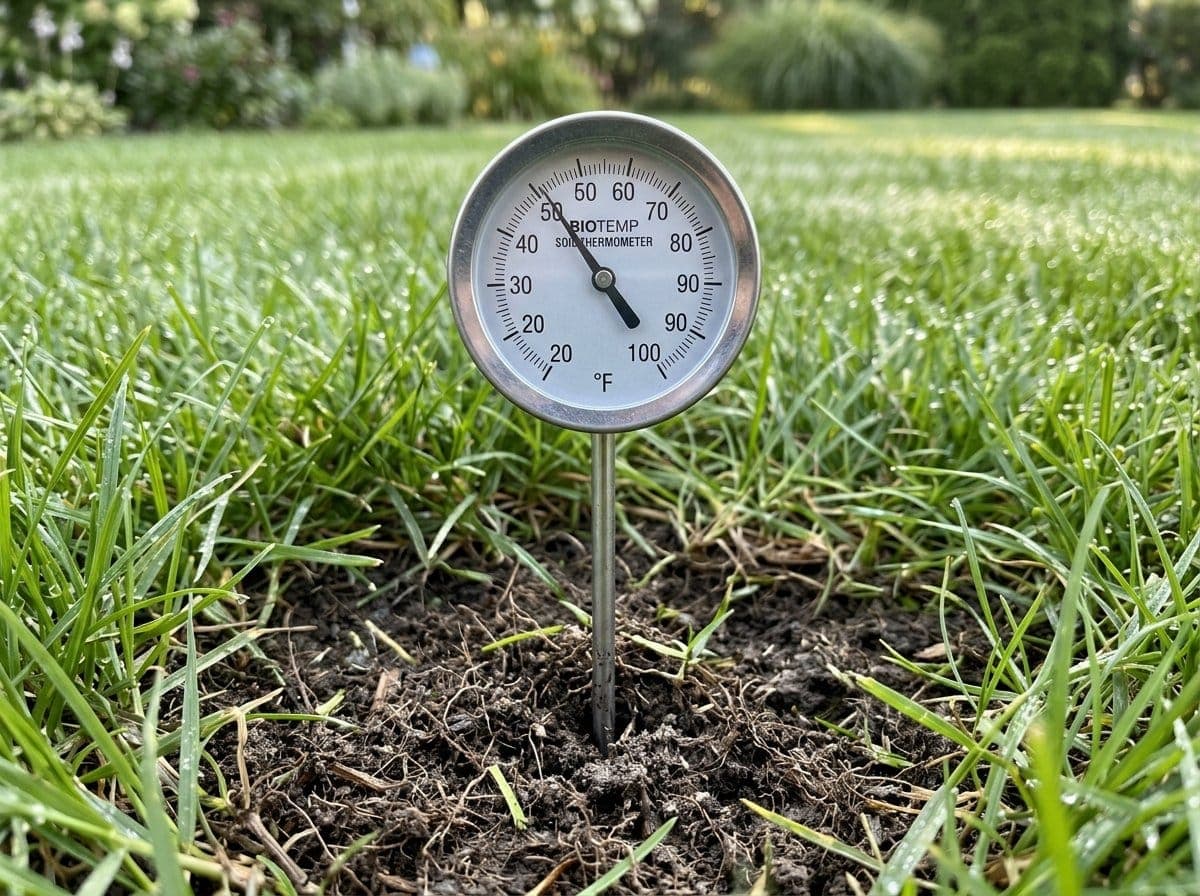
According to Purdue University's turfgrass research, crabgrass begins germinating when soil temperatures at a 1 to 2 inch depth reach 55 to 60 degrees Fahrenheit for 7 to 10 consecutive days. Michigan State University research confirms that 80 percent of germination occurs once soil temperatures stay consistently between 60 and 70 degrees.
For the Evansville, Newburgh, and greater Tri-State area (USDA Zone 7a), that threshold typically arrives in mid to late March in an average year. A warm spring pushes it earlier. A cool, wet spring can delay it into early April.
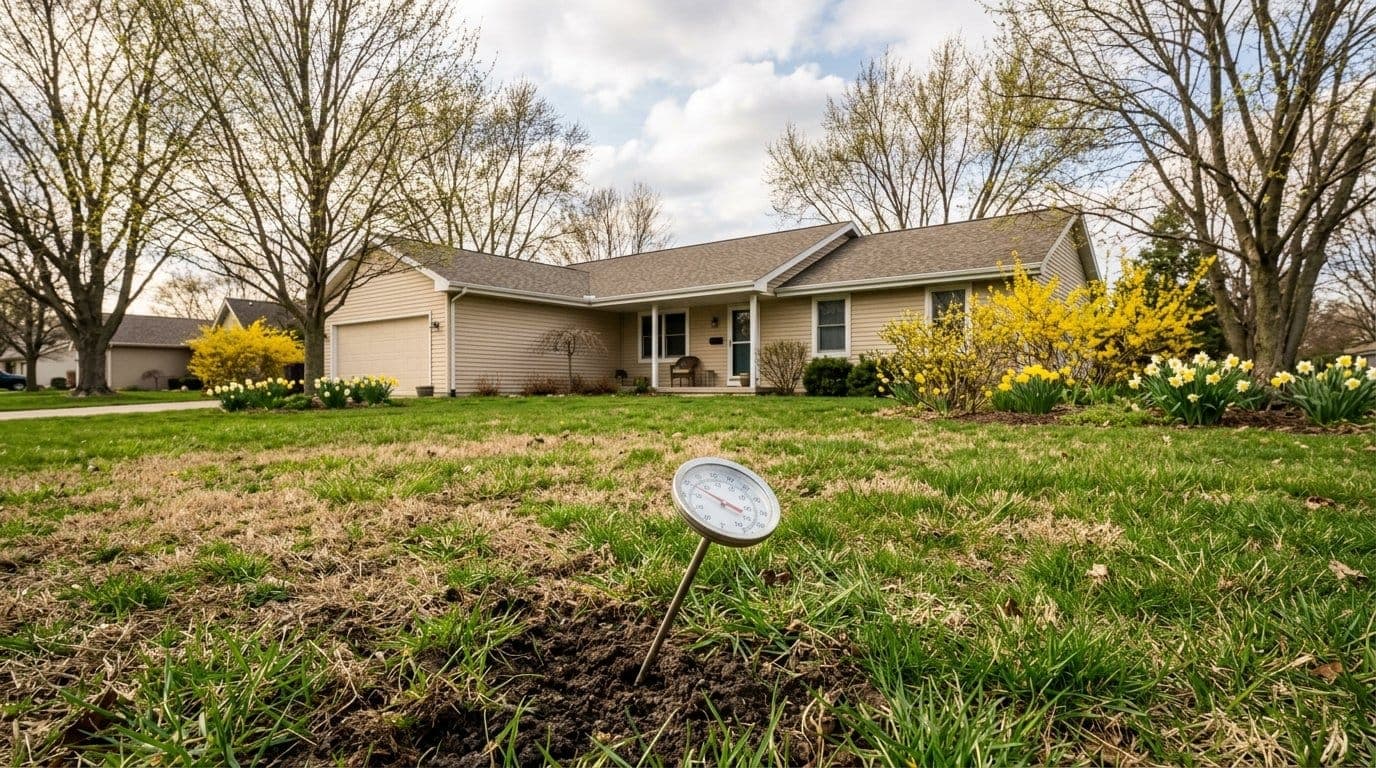
You can check current soil temperatures for the region at the Purdue Mesonet or by placing a soil thermometer 2 inches deep in a sunny area of your lawn. Take readings in the morning for 3 to 5 consecutive days to get an accurate picture.
When Should You Apply Pre-Emergent in Southern Indiana?
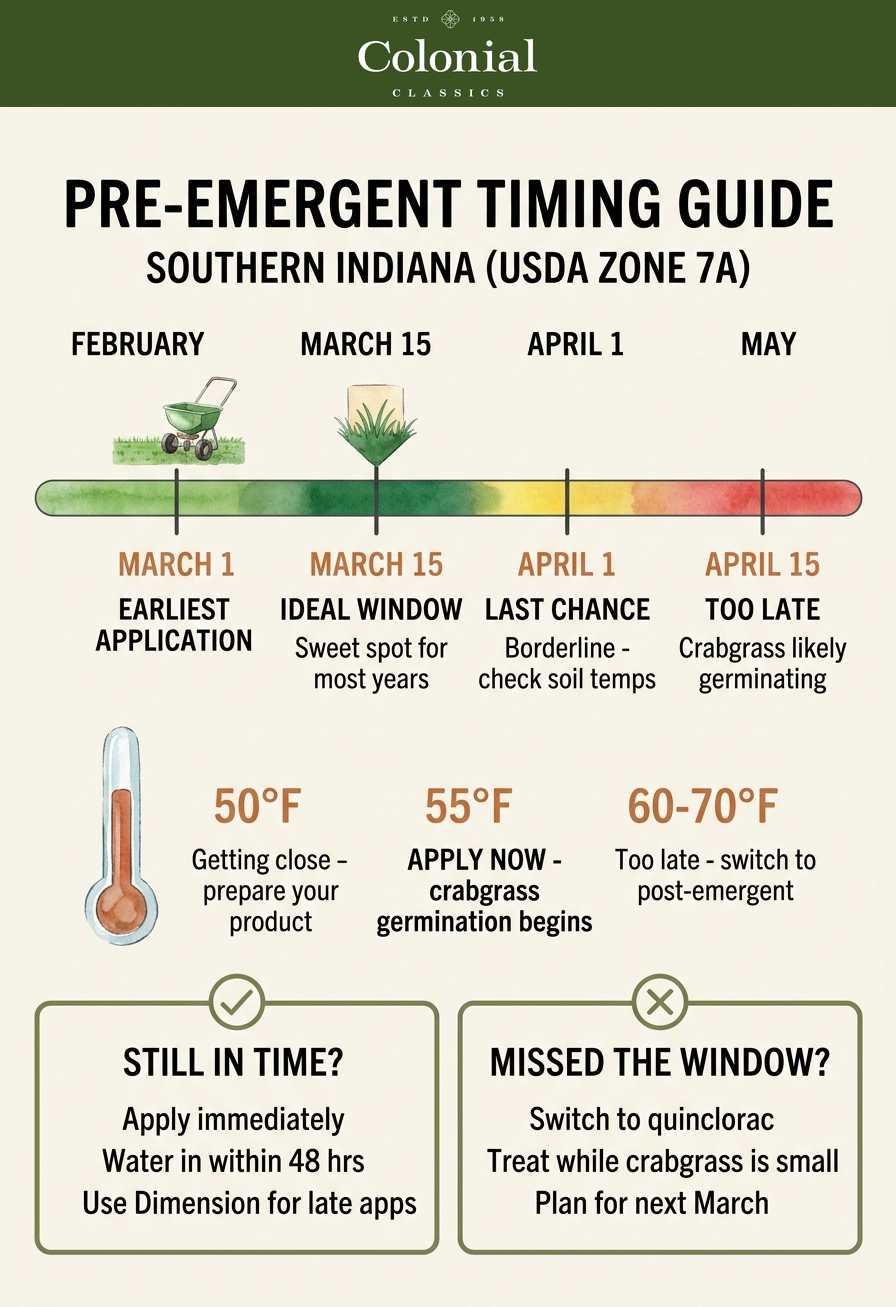
Purdue Extension's turf team recommends pre-emergent applications no later than March 15 to April 1 in Southern Indiana. Central Indiana gets until mid-April. Northern Indiana has until late April.
Purdue's research also shows that applying as early as March 1 still provides effective control. The herbicide remains active in the soil for 8 to 12 weeks depending on the product, so early application does not mean the barrier wears off before crabgrass season ends.
The key takeaway: the ideal window for Southern Indiana is early to mid-March. If you are reading this in late March, you are at the tail end of the window. If you are reading this in April, you are likely past it.
What to Do If You Are Still in the Window
If your soil temperatures have not yet sustained 55 degrees for a week, act now. Here is your plan:
- Apply immediately. Do not wait for the perfect weekend. Every warm day moves you closer to germination. Get product down today if you can.
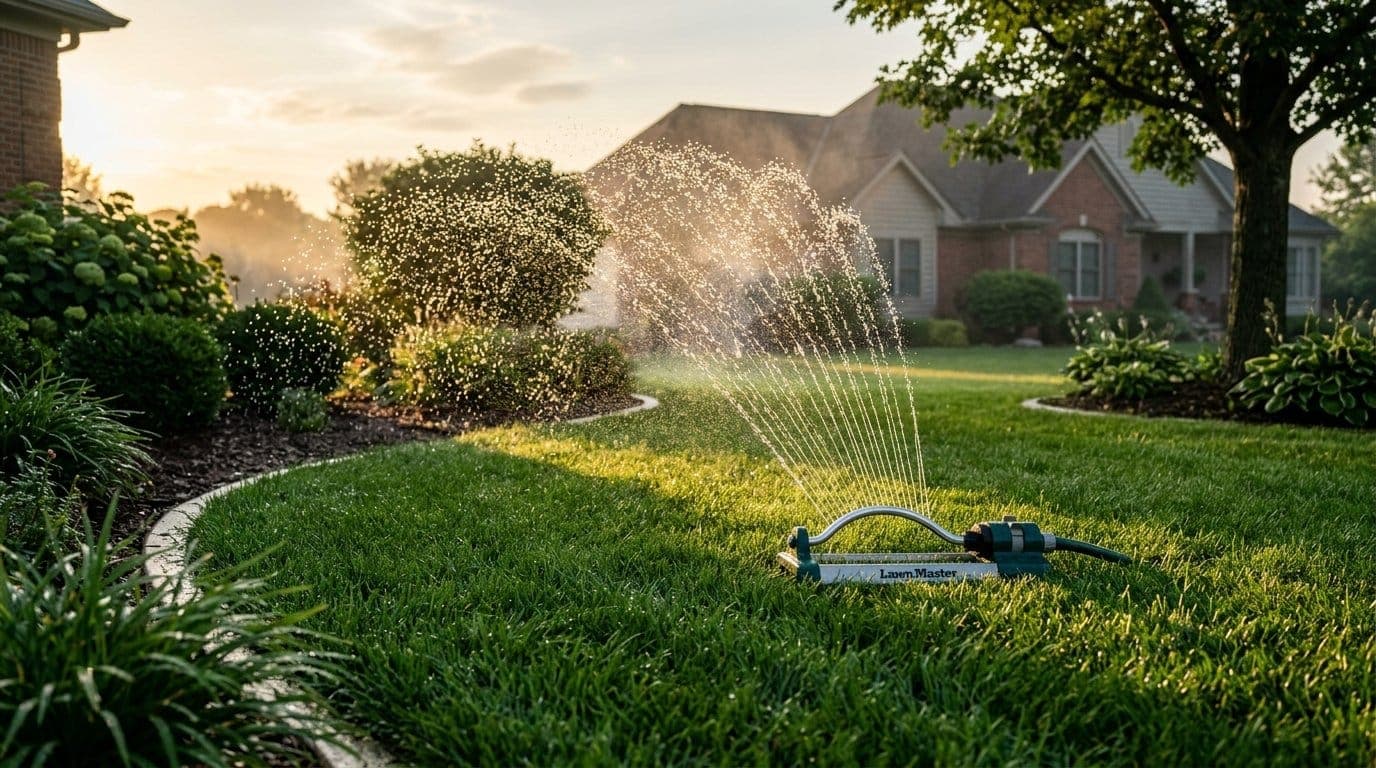
- Water it in within 48 hours. Pre-emergent must reach the soil to work. Half an inch of water activates the barrier. If rain is in the forecast, time your application just before it.
- Choose the right product. For late-window applications, dithiopyr (Dimension) is a better choice than prodiamine. Dimension offers a small window of early post-emergent activity, meaning it can control crabgrass that has just begun to germinate but has not yet emerged above the soil. This gives you a few extra days of forgiveness.
- Plan a second application. A split application strategy provides the longest protection. Apply the first round now and a second round 8 to 10 weeks later (late May) to extend the barrier into summer.
What to Do If You Missed the Window
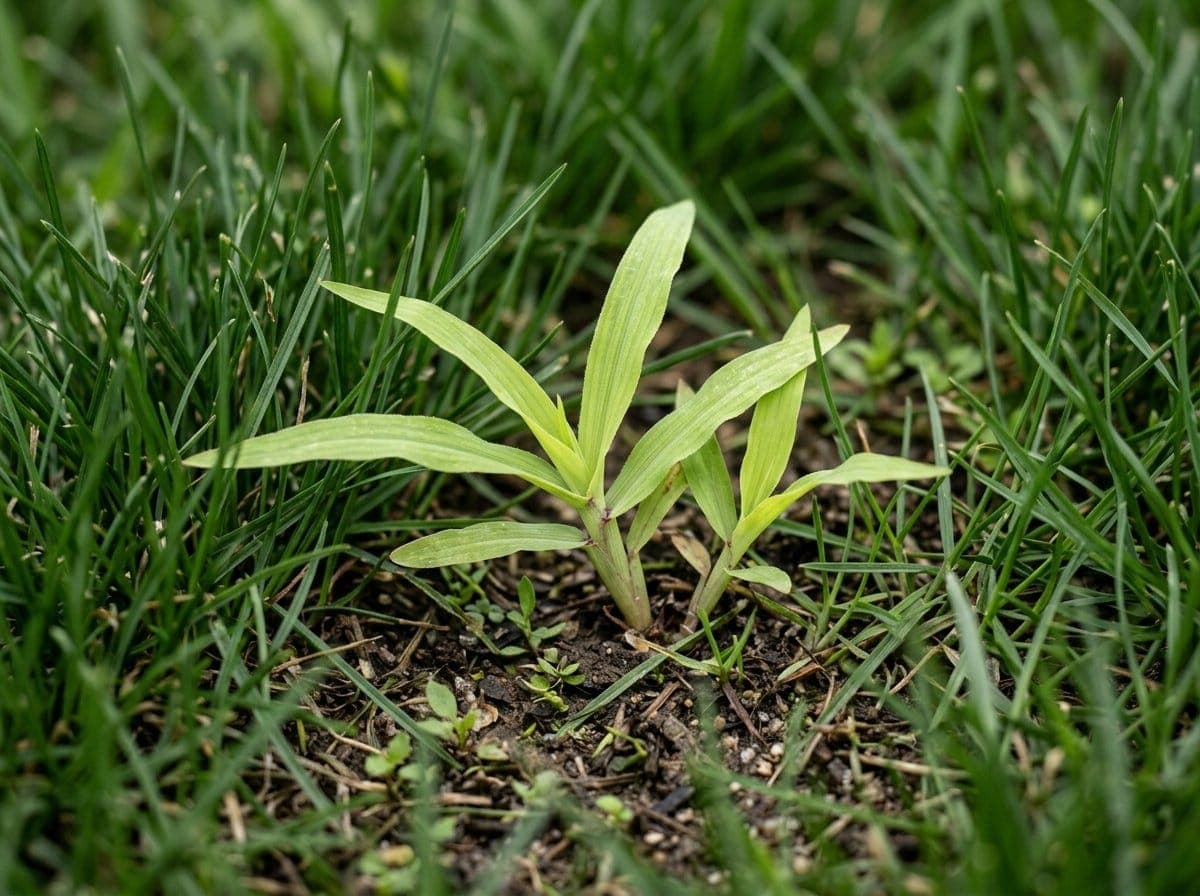
If soil temperatures have been above 55 degrees for more than a week and you see young crabgrass plants already sprouting, pre-emergent will not help for those plants. Here is your adjusted plan:
- Switch to post-emergent. Products containing quinclorac are the most effective post-emergent option for crabgrass in cool-season lawns. Quinclorac provides selective crabgrass control without harming desirable turf grasses like tall fescue and Kentucky bluegrass.
- Treat while crabgrass is young. Post-emergent herbicides work best on crabgrass that has fewer than 3 to 4 tillers (side shoots). Once crabgrass matures and starts spreading aggressively in midsummer, it becomes much harder to control. Early intervention matters.
- Do not skip the fall. Even if crabgrass takes hold this summer, you can prevent next year's problem. A fall pre-emergent application in September addresses winter annuals, and your early March application next year will catch crabgrass. One bad year does not have to repeat.
- Consider a professional program. If the timing, product selection, and application rates feel overwhelming, that is exactly what a lawn care program handles for you. Colonial Classics' fertilization and weed control program includes pre-emergent as the first step, applied at the right time based on actual soil conditions. You do not have to track soil temperatures or figure out which herbicide to buy.
Pre-Emergent Timing at a Glance
| Region | Ideal Application Window | Soil Temp Trigger |
|---|---|---|
| Southern Indiana | Early March to early April | 55°F at 2-inch depth |
| Central Indiana | Late March to mid-April | 55°F at 2-inch depth |
| Northern Indiana | Mid to late April | 55°F at 2-inch depth |
| All regions | Same trigger | 7 to 10 consecutive days at 55°F+ |
These windows apply across the Tri-State area. Whether you are in Vanderburgh County, Warrick County, or across the river in Henderson, KY or Gallatin County, IL, the soil temperature trigger is the same. The calendar dates may shift slightly based on your specific microclimate.
Common Pre-Emergent Mistakes to Avoid
Applying but not watering in. This is the most common failure. Pre-emergent sitting on top of the grass does nothing. It must reach the soil surface. Half an inch of irrigation or rain within 48 hours of application is essential.
Aerating after application. Core aeration punches holes through the pre-emergent barrier, giving crabgrass seeds a direct path into the soil. If you need to aerate, do it before applying pre-emergent or wait until fall. Fall aeration paired with overseeding is the better approach for most lawns in this region.
Overseeding at the same time. Pre-emergent does not distinguish between crabgrass seeds and desirable grass seed. If you apply pre-emergent and then overseed, the grass seed will not germinate either. Wait 8 to 12 weeks after pre-emergent application before overseeding, or save it for your fall lawn care schedule.
Using the wrong rate. More is not better. Overapplication can damage your existing turf and linger in the soil longer than intended. Follow the label rate for your product. If you are unsure, a soil test helps determine the right approach for your specific lawn.
Your Spring Lawn Care Timeline
Pre-emergent is step one, but it is not the only thing your lawn needs this spring. Here is where it fits in the bigger picture:
- Early March to early April: Apply pre-emergent before soil temperatures hit 55°F
- March to April: Begin regular mowing at 3 to 3.5 inches. Never remove more than one-third of the blade at once
- April to May: Apply spring fertilizer to fuel growth and density
- May to June: Apply second pre-emergent (if using split application) and spot-treat any broadleaf weeds
- September to October: Core aerate, overseed thin areas, and apply fall fertilizer
This sequence builds on itself. Pre-emergent protects the soil. Mowing height shades out weeds. Fertilizer thickens the turf. Each step makes the next one more effective.
Colonial Classics' fertilization and weed control program covers all of these steps across 5 to 6 scheduled visits per year. The program starts with early spring pre-emergent and continues through a winterizer application in November.
The Bottom Line on Pre-Emergent Timing
If you are reading this in late March in Southern Indiana, check your soil temperature today. If it has not sustained 55 degrees at 2 inches deep for a full week, you likely still have a narrow window. Apply immediately and water it in.
If you have already passed that threshold, do not panic. Switch to post-emergent crabgrass control, treat early while plants are small, and set yourself up for success next spring with a properly timed pre-emergent program.
The best way to never worry about this timing again is to hand it off to a professional program that tracks conditions for you and applies at the right time every year. If you are planning other outdoor projects this spring, scheduling early gives you the best results across the board.
Pre-emergent must be in the soil before crabgrass germinates at 55°F. In Southern Indiana, the ideal window is early to mid-March. If you are past the window, switch to post-emergent quinclorac while crabgrass is young. Either way, fall is your best chance to set up next year's lawn for success.
Take the Guesswork Out of Lawn Care
Whether you caught the pre-emergent window or missed it, Colonial Classics can help you get your lawn back on track. Our fertilization and weed control program handles the timing, products, and applications across the entire season so you never have to wonder if it is too late again. Schedule a free consultation to see what your lawn needs right now.