You are ready to build a patio and the first question is the right one: what will it cost? The answer depends on size, materials, and how much of the surrounding space you build out. Here is the direct answer.
A paver patio costs $10 to $35 per square foot installed. Most homeowners in the Evansville, Newburgh, and greater Tri-State area spend $4,000 to $12,000 on a professionally installed paver patio. A basic 200-square-foot patio with concrete pavers lands around $4,000 to $6,000. A 400-square-foot patio with natural stone and integrated features like a seat wall or fire pit can run $15,000 to $25,000 or more.
This guide breaks down real pricing by size, material, and project type so you know what to expect before you talk to a contractor.
Every project is different. The pricing in this guide reflects professional installation costs in the Evansville and Newburgh area as of 2026. Your actual cost depends on site conditions, materials, patio size, and complexity. Contact us for a personalized estimate.
Paver Patio Cost by Project Type
Most homeowners spend $4,000 to $12,000 on a professionally installed paver patio. The biggest factor in your total cost is scope. A simple rectangle on flat ground is a different project than a curved multi-level patio with a built-in fire pit.
Basic Paver Patio: $3k to $6k
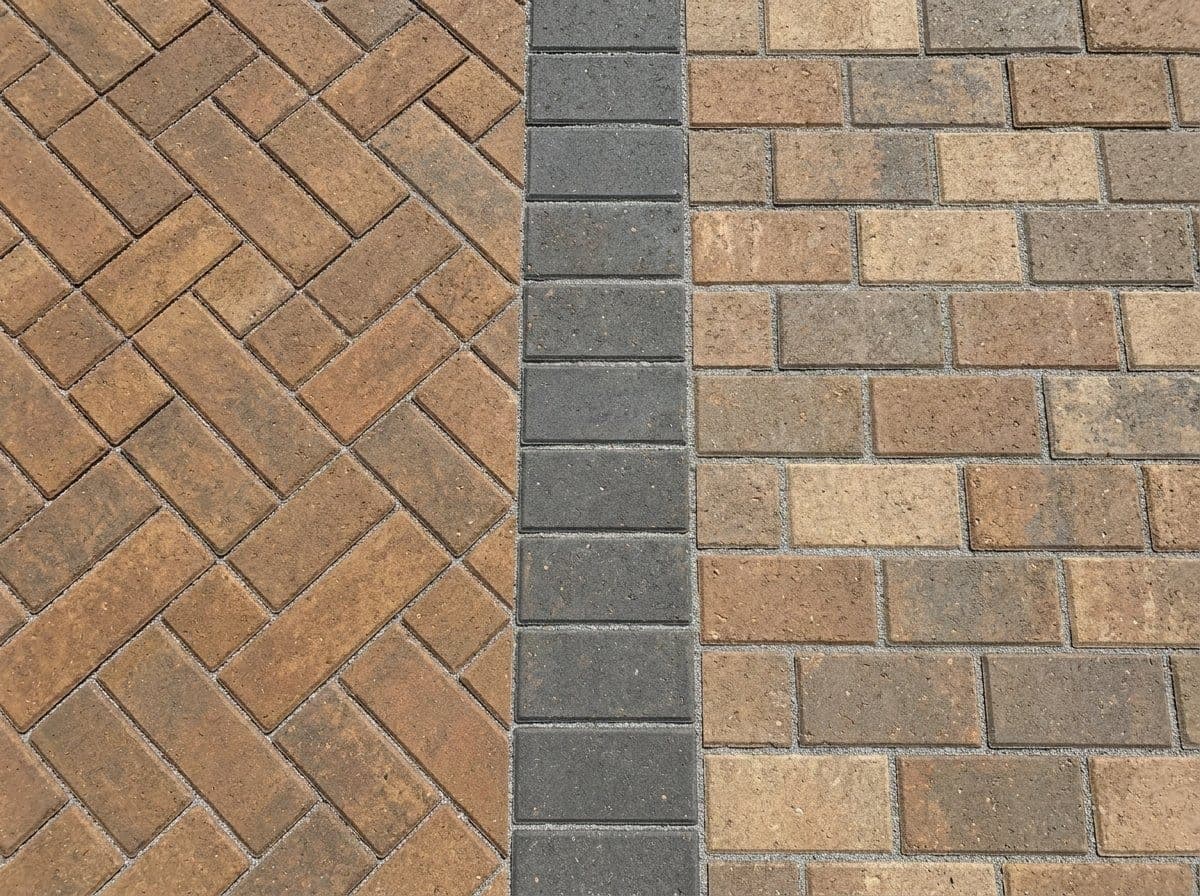
A basic paver patio costs $3,000 to $6,000 for a 150- to 250-square-foot rectangular layout with concrete interlocking pavers. This is a straightforward project on relatively flat ground with good drainage.
This tier works well if you want a clean outdoor dining or lounging area without extra features. You get a solid surface that lasts decades and looks better than poured concrete.
What is typically included:
- Concrete interlocking pavers in a standard pattern (running bond or herringbone)
- 6- to 8-inch compacted gravel base
- Polymeric sand joints
- Soldier course border
- Basic site preparation and grading
Mid-Range Patio: $6k to $15k
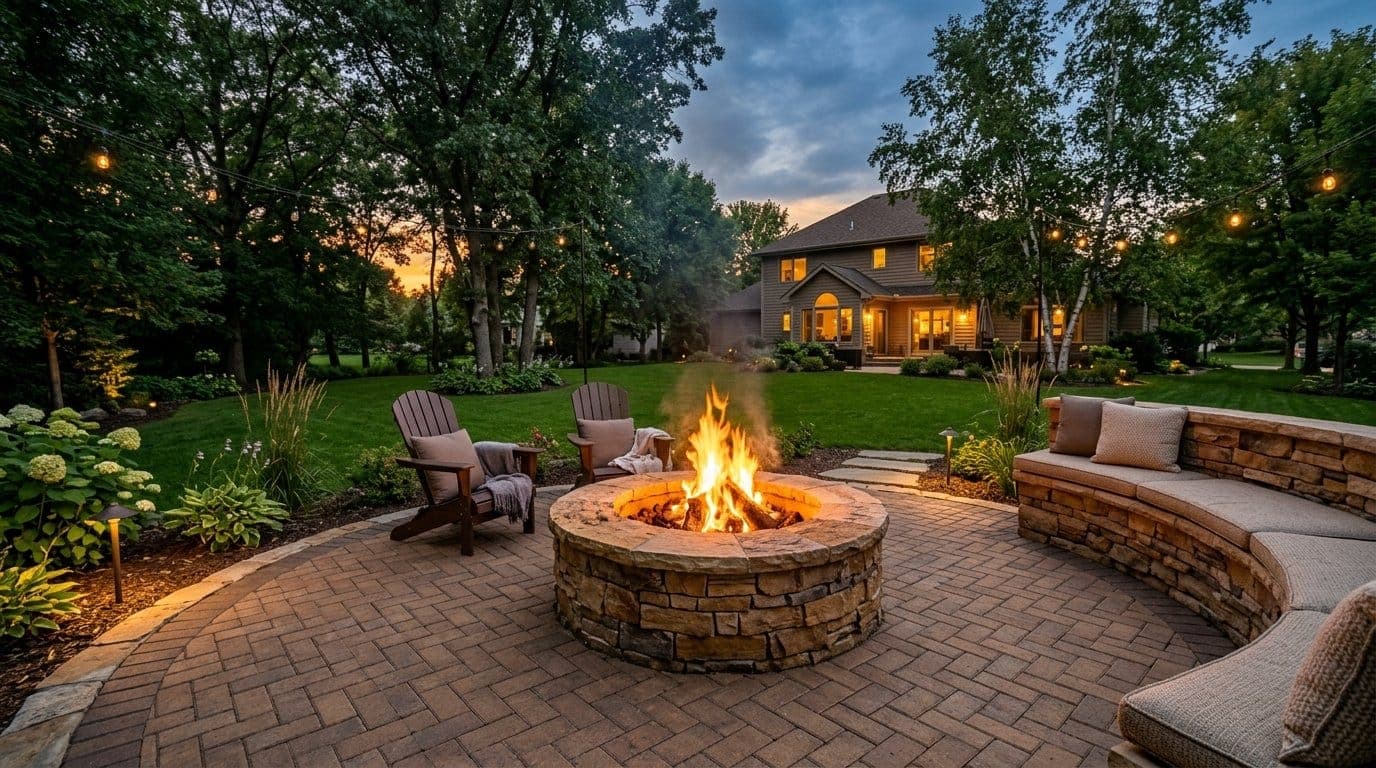
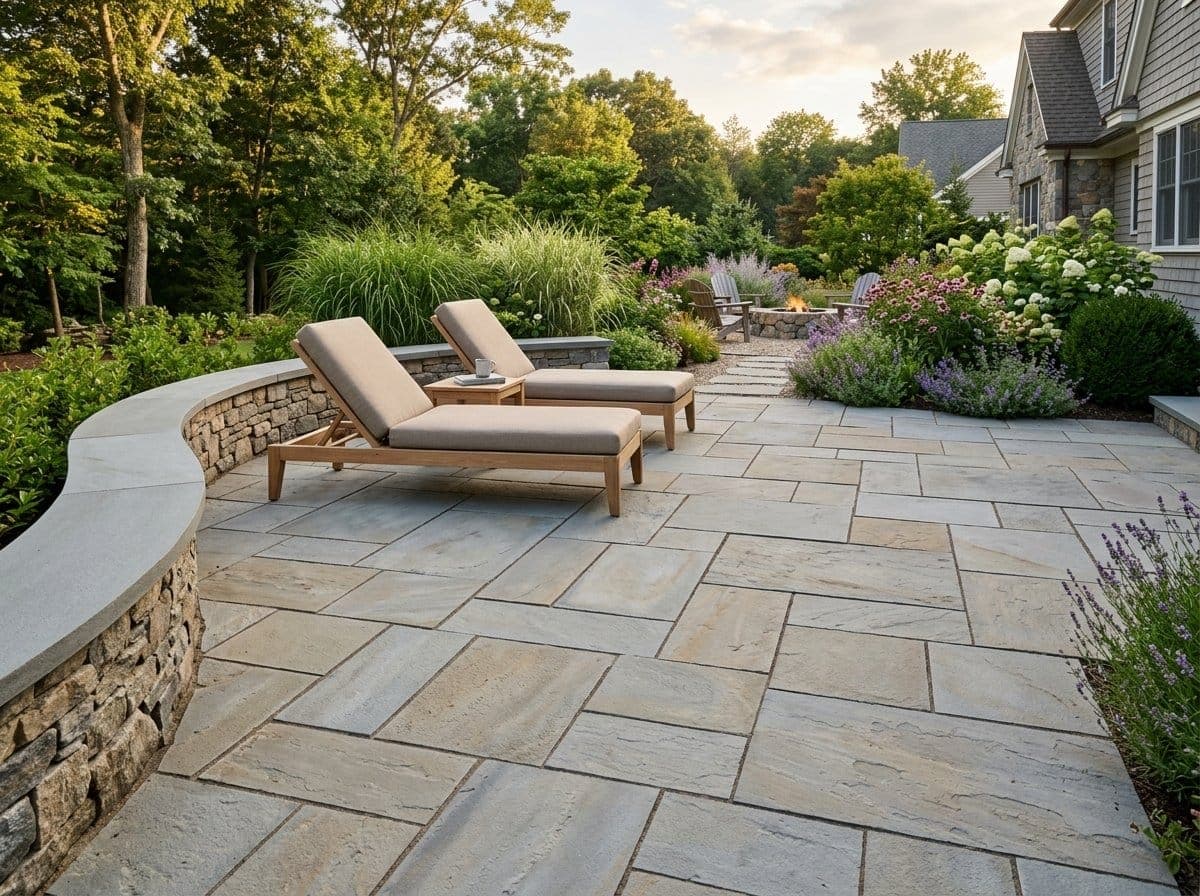
A mid-range paver patio runs $6,000 to $15,000 for a 250- to 450-square-foot layout with upgraded materials or added features. This is where most patio projects in the Tri-State area land. You are choosing upgraded paver styles, adding curves or multiple patterns, and potentially integrating a step-down, seat wall, or small fire pit area.
At this level, the patio becomes more than a flat surface. It starts to feel like an outdoor room with defined areas for cooking, dining, or gathering.
What is typically included:
- Upgraded concrete pavers or tumbled stone in a multi-pattern layout
- Deeper gravel base (8 to 12 inches depending on soil conditions)
- Curved or custom borders
- One integrated feature (seat wall, step-down, or fire pit pad)
- Low-voltage landscape lighting along edges or seat walls
- Grading and drainage management
High-End Outdoor Living Patio: $15k to $35k+
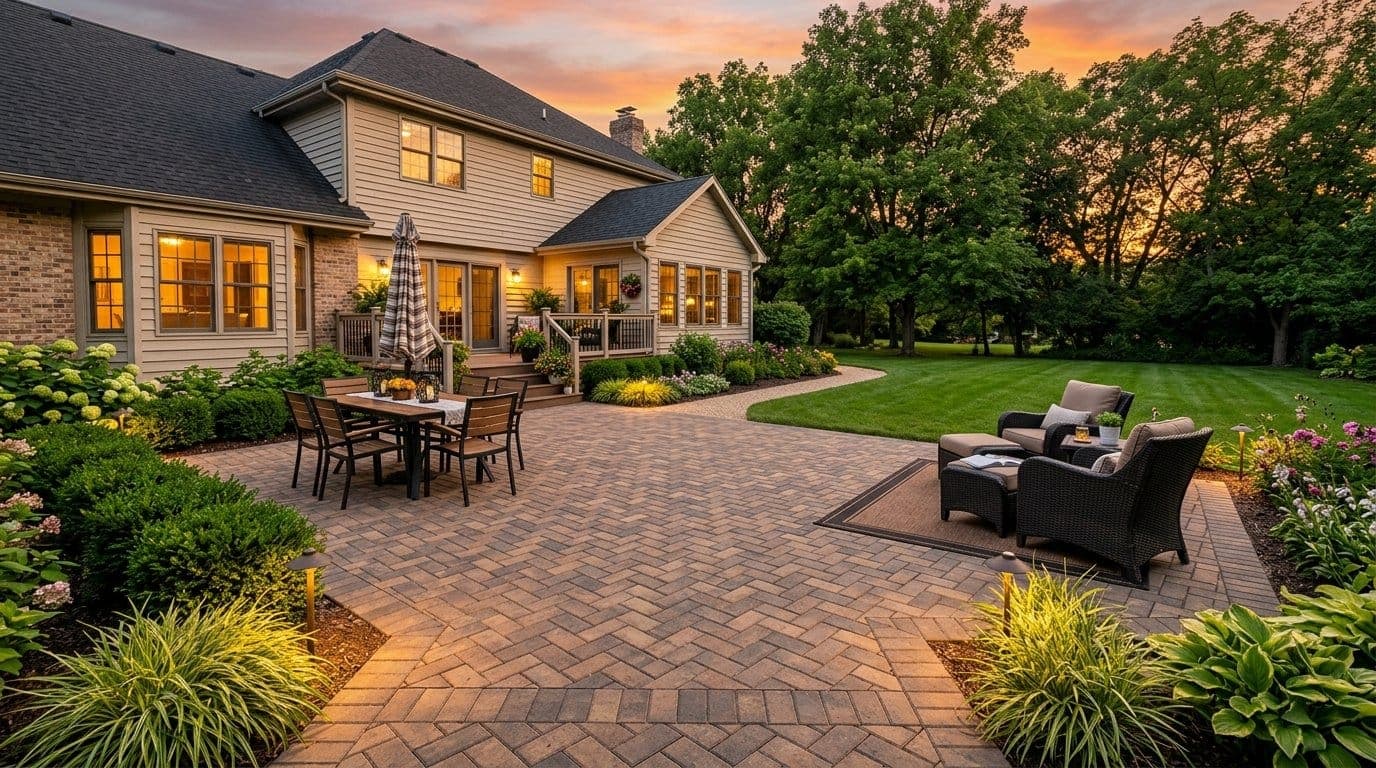
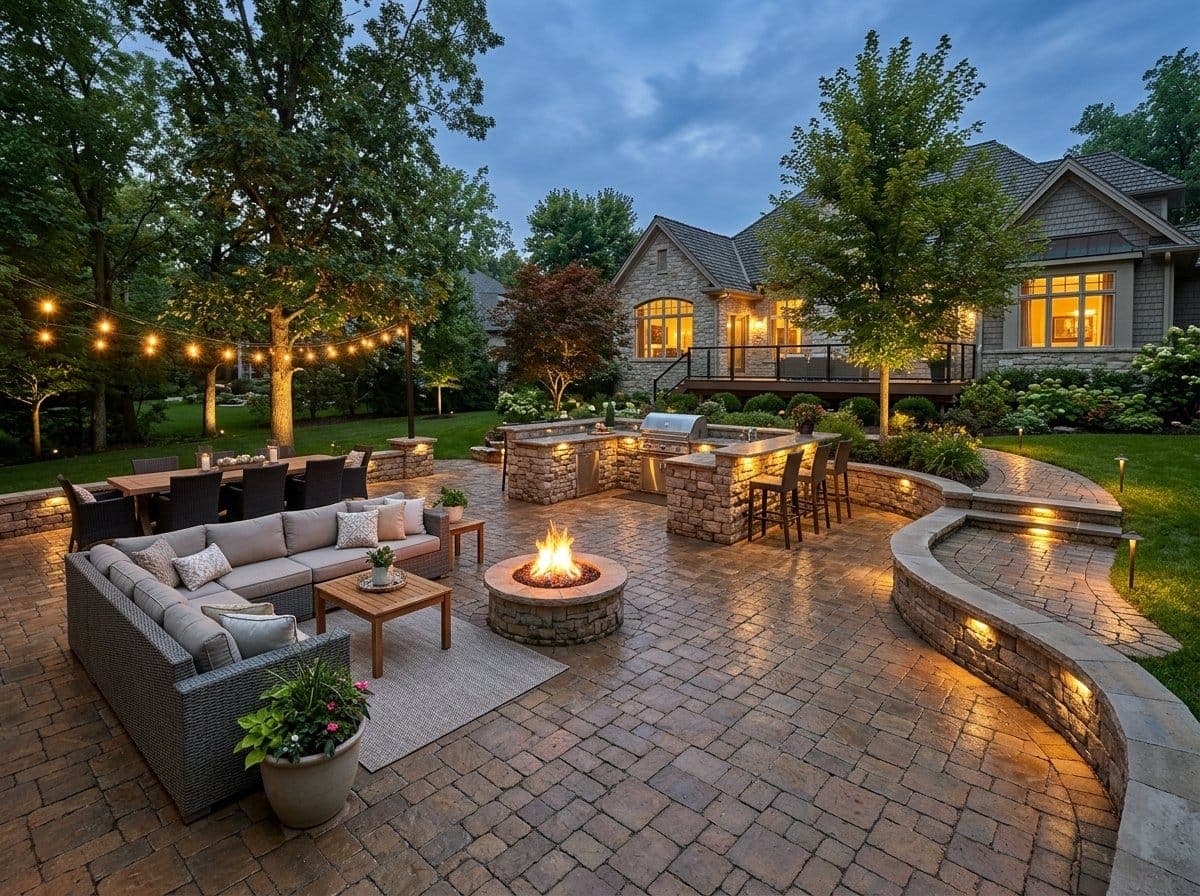
A high-end paver patio runs $15,000 to $35,000 or more for a 400- to 800-square-foot space designed as a complete outdoor living area. You are using natural stone pavers, building multiple zones (dining, lounging, cooking), and integrating features like a fire pit, outdoor kitchen, or retaining walls.
These projects are designed as one cohesive space where the patio, landscaping, and structures all work together. The patio is the foundation that everything else is built on.
What is typically included:
- Natural stone pavers (bluestone, travertine, or flagstone)
- Multi-zone layout with defined spaces
- Built-in seat walls with cap stone
- Integrated fire pit or outdoor kitchen pad
- Landscape lighting throughout
- Retaining walls if grade changes exist
- Full drainage system
- Professional landscape design
Paver Patio Cost by Size
Size is the most predictable cost driver. Here is what a standard paver patio costs at common sizes using mid-grade concrete interlocking pavers with professional installation.
| Patio Size | Square Feet | Estimated Cost |
|---|---|---|
| 10x10 | 100 sq ft | $1,500 to $3,500 |
| 12x12 | 144 sq ft | $2,000 to $5,000 |
| 12x16 | 192 sq ft | $2,800 to $6,500 |
| 16x16 | 256 sq ft | $3,500 to $8,500 |
| 20x20 | 400 sq ft | $5,000 to $14,000 |
| 20x30 | 600 sq ft | $7,500 to $20,000 |
| 20x40 | 800 sq ft | $10,000 to $28,000 |
The per-square-foot cost often decreases as the patio gets larger because mobilization, equipment, and base preparation costs are spread over a bigger area. A 100-square-foot patio might cost $25 per square foot while a 600-square-foot patio could come in at $15 per square foot for the same material.
If you are planning a fire pit or outdoor kitchen, build the patio at the same time. Combining projects saves $1,000 to $3,000 on site preparation, equipment mobilization, and material delivery compared to doing them separately.
Paver Material Options and Cost
The paver material you choose is the second-biggest cost factor after size. Here is how the most common options compare for the Tri-State area's climate (USDA Zone 7a with regular freeze-thaw cycles).
| Material | Cost Per Sq Ft (Installed) | Durability | Maintenance | Best For |
|---|---|---|---|---|
| Concrete interlocking pavers | $10 to $18 | 25 to 50 years | Low | Most patios. Wide color and pattern selection |
| Tumbled concrete pavers | $14 to $22 | 25 to 50 years | Low | Old-world or rustic look |
| Porcelain pavers | $18 to $30 | 25+ years | Very low | Modern clean lines. Stain resistant |
| Natural bluestone | $22 to $35 | 50+ years | Moderate | Classic traditional look |
| Travertine | $20 to $32 | 30+ years | Moderate | Warm natural tones. Pool surrounds |
| Flagstone (irregular) | $15 to $28 | 50+ years | Moderate | Natural organic feel |
Concrete interlocking pavers are the most popular choice in the region. They handle freeze-thaw cycles without cracking, come in dozens of shapes and colors, and cost significantly less than natural stone. Brands like Belgard, Unilock, and Techo-Bloc offer lifetime warranties on their products.
Natural stone costs more but creates a look that concrete cannot replicate. Bluestone is the most popular natural option in the Midwest for its durability and blue-gray tones. Travertine works well around pools because it stays cool underfoot. Both require sealing every two to three years to prevent staining and maintain color.
What Drives Paver Patio Cost Up or Down?
Beyond size and material, five factors have the biggest impact on your final price.
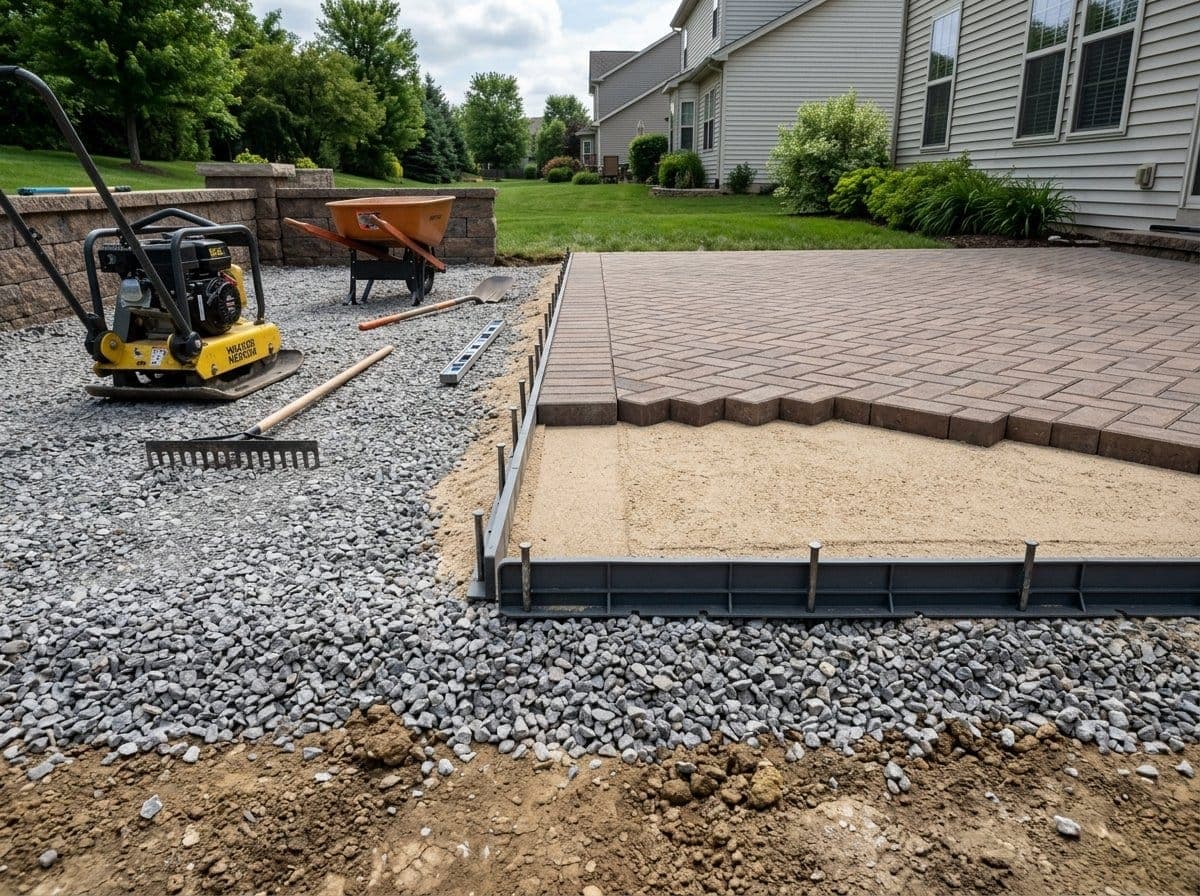
- Base preparation: A properly compacted gravel base is critical in the clay-heavy soils common across Southern Indiana, Western Kentucky, and Southeastern Illinois. A 4 to 6 inch compacted gravel base prevents settling and heaving when installed correctly. You can look up your property's soil type on the USDA Web Soil Survey to understand what you are working with. Skipping proper base prep is the number-one reason patios fail in this region.
- Patio shape: Rectangles and squares are the most affordable because cuts are minimal. Curves, angles, and multi-pattern layouts require more cutting, more waste, and more labor. A curved patio can cost 15 to 25 percent more than a rectangle of the same size.
- Grade changes: A flat yard keeps costs down. If your property slopes, the patio may need retaining walls, steps, or a tiered layout. Each level adds $1,500 to $4,000 depending on the height and material.
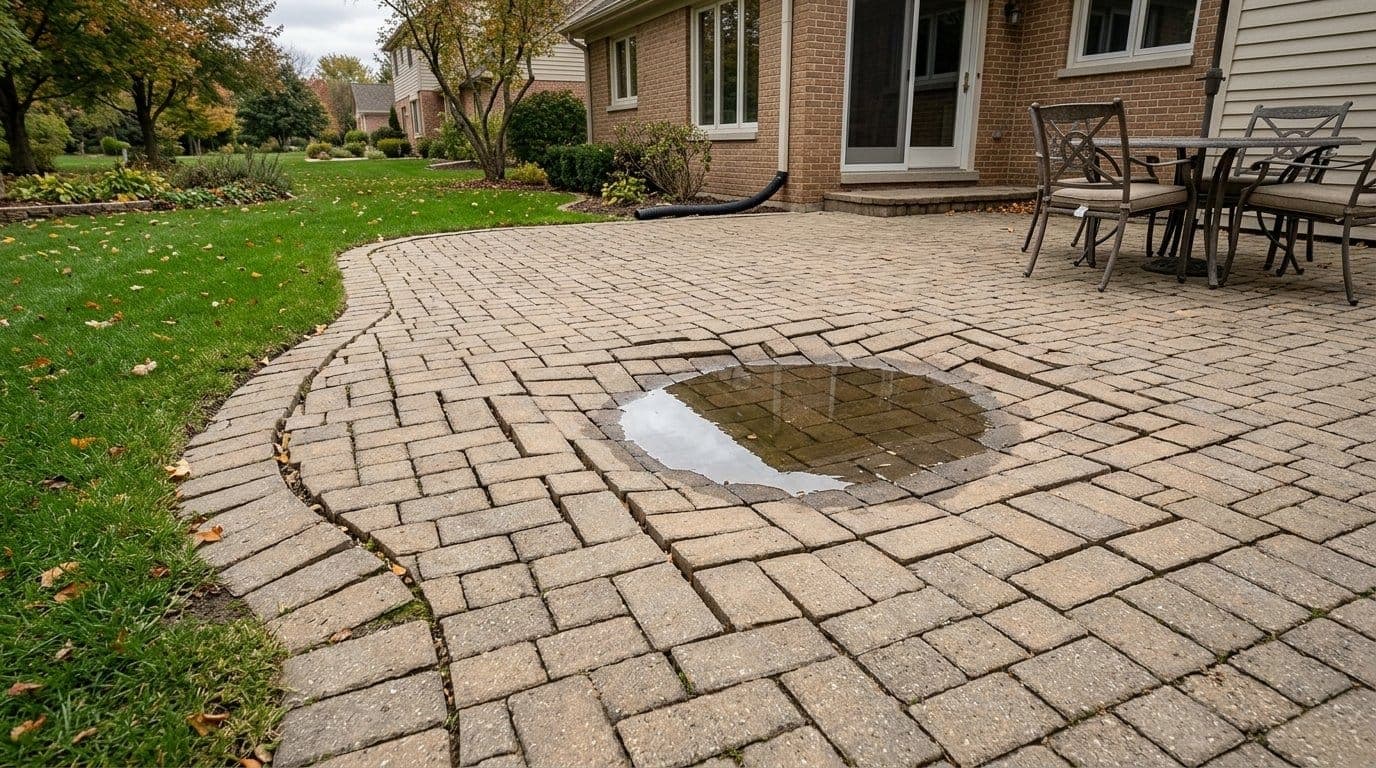
- Drainage: Every patio needs proper drainage to prevent water from pooling against your foundation or flooding garden beds. A simple slope away from the house may be enough. Complex sites need a French drain or channel drain system, which adds $1,000 to $3,000.
- Access: If equipment can drive directly to the patio site, labor goes faster. If materials need to be carried through a gate or down stairs, expect a 10 to 20 percent increase in labor costs.
DIY vs. Professional Installation
A DIY paver patio costs $5 to $12 per square foot for materials alone, roughly half the cost of professional installation. But patio installation is one of the projects where the base matters more than the surface. If the base is not right, the pavers will shift, settle, and develop trip hazards within a few years.
When DIY makes sense:
- Small patio (under 150 square feet) on flat ground
- You have experience with grading and compaction
- You own or can rent a plate compactor
- The patio does not connect to your home's foundation
When you need a professional:
- The site slopes or has drainage issues
- You want curves, patterns, or integrated features
- The patio connects to the house or an existing structure
- Clay soil requires an engineered base
- The project includes retaining walls, lighting, or a fire pit
The most expensive mistake in a DIY patio is an inadequate base. Ripping out and rebuilding a settled patio costs more than doing it right the first time. If you are spending $3,000 or more on materials, the professional installation cost is worth the warranty and the confidence that the base will hold.
Does a Paver Patio Increase Home Value?
Yes. A paver patio is one of the highest-return outdoor improvements you can make. The National Association of Realtors' Remodeling Impact Report found that outdoor living improvements consistently recoup a significant portion of their cost at resale. Real estate agents in the Evansville and Newburgh area report that a finished outdoor space with a paver patio is one of the first things buyers notice.
The key is design quality. A patio that connects to the house, includes defined areas for dining and gathering, and uses materials that complement the home's architecture adds perceived value beyond the dollar amount spent. A patio that feels like an afterthought does not move the needle.
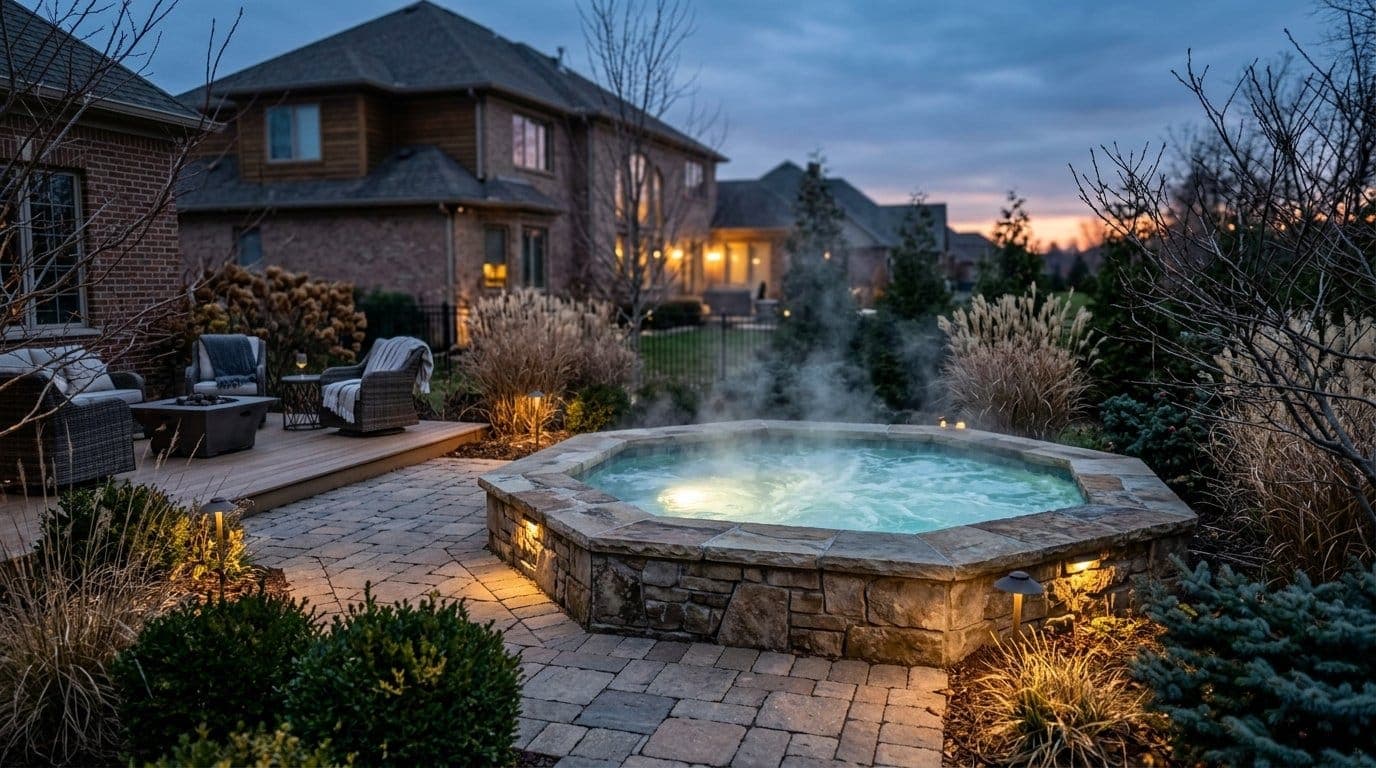
Combining your patio with features like landscape lighting, a fire pit, or an outdoor kitchen creates a complete outdoor living space that makes your property stand out in a competitive market.
How to Get Started
The best first step is deciding how you want to use the space. A small dining patio is a different project than a full outdoor living area. Once you know the general scope, schedule a free consultation with our design team. We will walk your property, discuss your goals and budget, and create a design that fits.
If you are considering combining your patio with a fire pit, outdoor kitchen, or landscape lighting, our guides on fire pit costs, outdoor kitchen pricing, and landscape lighting budgets break down what each feature costs. Planning early in the season gives your contractor time to design and schedule before the busiest summer months.
Colonial Classics Landscape & Nursery has been building outdoor living spaces in the Tri-State area for over 65 years. A paver patio is the foundation of almost every hardscaping project we design, and getting the foundation right is what we do.
A paver patio costs $10 to $35 per square foot installed. Most homeowners in the Tri-State area spend $4,000 to $12,000 for a professionally installed patio. Concrete interlocking pavers are the most popular and affordable option for the region's freeze-thaw climate. Base preparation is the most important part of the project. Combining your patio with a fire pit or outdoor kitchen saves on site prep and mobilization costs.