The three main types of inground pools are fiberglass, vinyl liner, and concrete (also called gunite). Each one fits a different budget, timeline, and maintenance style, so the right pool for your yard comes down to how you want to use it and how much upkeep you want to take on.
Choosing a pool is a big decision, and it is easy to feel overwhelmed by conflicting advice. This guide walks you through how the three types compare on cost, installation time, maintenance, and lifespan, plus what buyers in the Evansville, Newburgh, and greater Tri-State area should know about our climate and local rules. By the end, you will know which type fits your priorities.
Every project is different. The pricing and timelines discussed here are general estimates based on typical projects in our area. Your actual costs and schedule will depend on your property, materials, scope of work, and other factors. Contact us for a personalized estimate.
Inground Pool Types Compared at a Glance
Here is how fiberglass, vinyl liner, and concrete pools stack up side by side. Use this as a quick reference, then read on for the details behind each type.
- Installed Cost
- $45,000 to $85,000
- Install Time
- 3 to 6 weeks
- Maintenance
- Low
- Lifespan
- 30+ years
- Installed Cost
- $35,000 to $65,000
- Install Time
- 1 to 3 months
- Maintenance
- Low to medium
- Lifespan
- Frame decades, liner 5 to 9 years
- Installed Cost
- $60,000 to $100,000+
- Install Time
- 3 to 6 months
- Maintenance
- High
- Lifespan
- 50+ years with resurfacing
These ranges reflect typical professionally installed projects. Your final number depends on size, site conditions, decking, and the features you add.
Fiberglass Pools
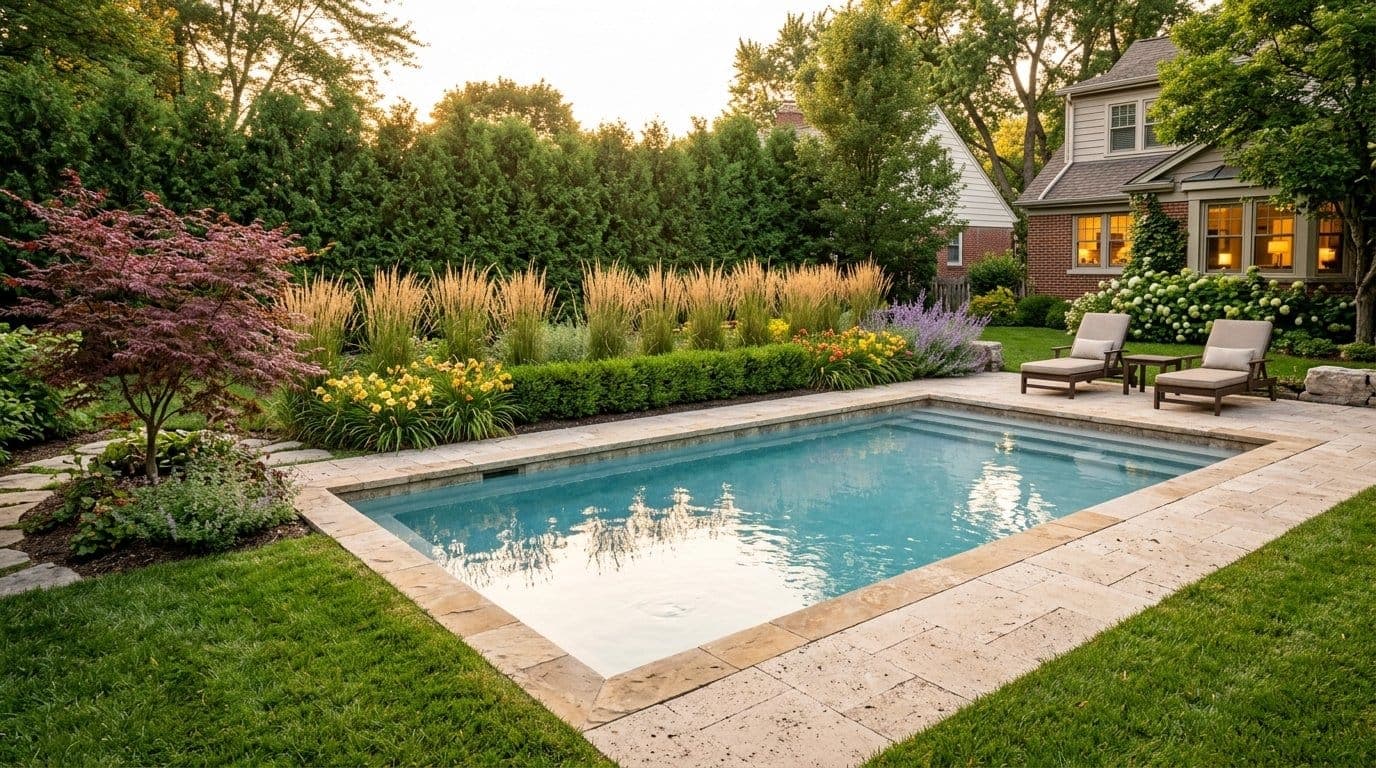
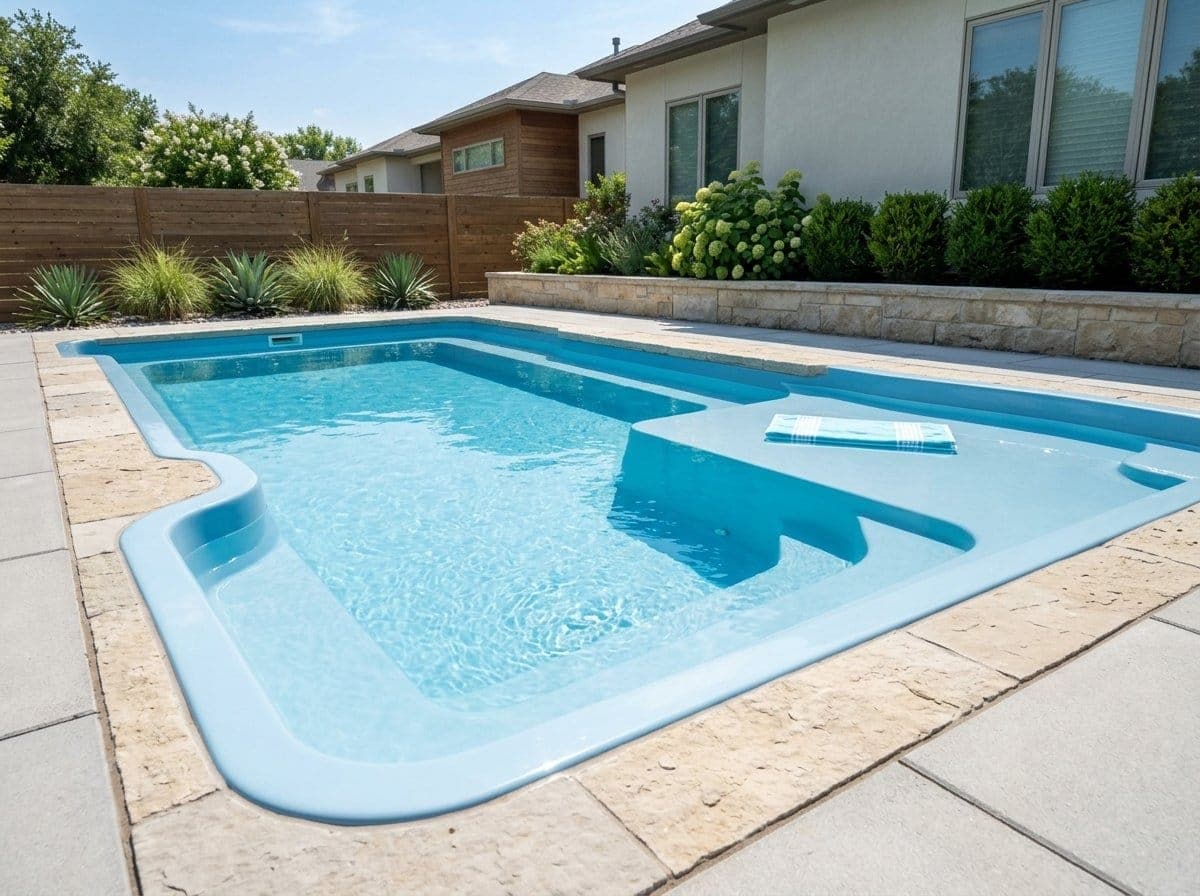
Fiberglass pools are factory-molded shells that install in a few weeks and need the least maintenance of any pool type. The shell arrives at your home as one piece, gets lowered into the excavated hole, and is plumbed and backfilled. Because the hardest part is built in a factory, the on-site timeline is short.
The surface is a smooth gel coat that feels gentle underfoot and, more importantly, is non-porous. Algae has a hard time taking hold on it, so you spend less on chemicals and far less time brushing the walls. There is no liner to replace and no plaster to resurface, which is why fiberglass has the lowest long-term cost of ownership of the three types.
The tradeoffs to weigh:
- Fast installation: a fiberglass pool is often swimmable in weeks, not months.
- Low maintenance: the non-porous gel coat resists algae and uses fewer chemicals.
- Set shapes and sizes: shells are molded in a factory and shipped by truck, so size and shape are limited to the manufacturer's designs (commonly up to about 16 feet wide and 40 feet long).
- Strong long-term value: no liner replacements and no resurfacing keep ongoing costs low.
Fiberglass is a strong fit for our region. Thursday Pools, the manufacturer we partner with, builds its shells in Fortville, Indiana, which keeps the supply chain and warranty support close to home. You can still get the look you want, from clean rectangular pools to freeform and beach-entry designs.
Vinyl Liner Pools
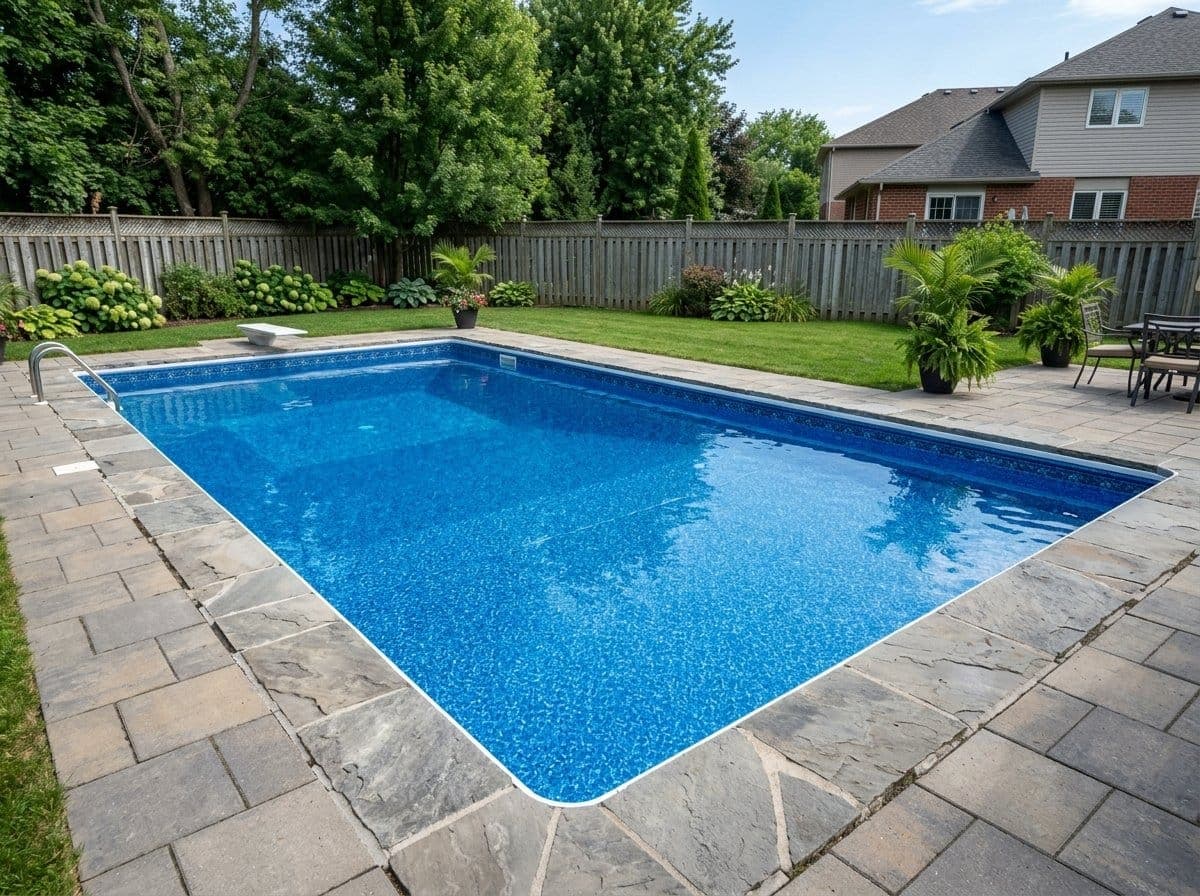
Vinyl liner pools have the lowest upfront cost and let you customize the shape, but the liner needs replacing every 5 to 9 years. The pool is built from a frame of steel or polymer wall panels set in the ground, with a custom-fitted vinyl liner stretched over the frame and floor to hold the water.
The liner surface is soft and smooth, which some swimmers prefer. Because the walls are panels, you have more freedom in shape and size than fiberglass allows. The catch is the liner itself. It can tear from sharp toys, pet claws, or wear over time, and replacing it usually runs $4,000 to $5,000 or more. That recurring expense is the part many buyers underestimate when they compare a vinyl pool's low sticker price to fiberglass.
The tradeoffs to weigh:
- Lowest upfront price: the most budget-friendly way into an inground pool.
- Flexible shapes: panel construction allows rectangular and geometric layouts that fiberglass molds cannot.
- Soft surface: the liner feels smooth and gentle to the touch.
- Recurring liner cost: plan for a replacement every 5 to 9 years, plus care to avoid punctures and tears.
Concrete and Gunite Pools
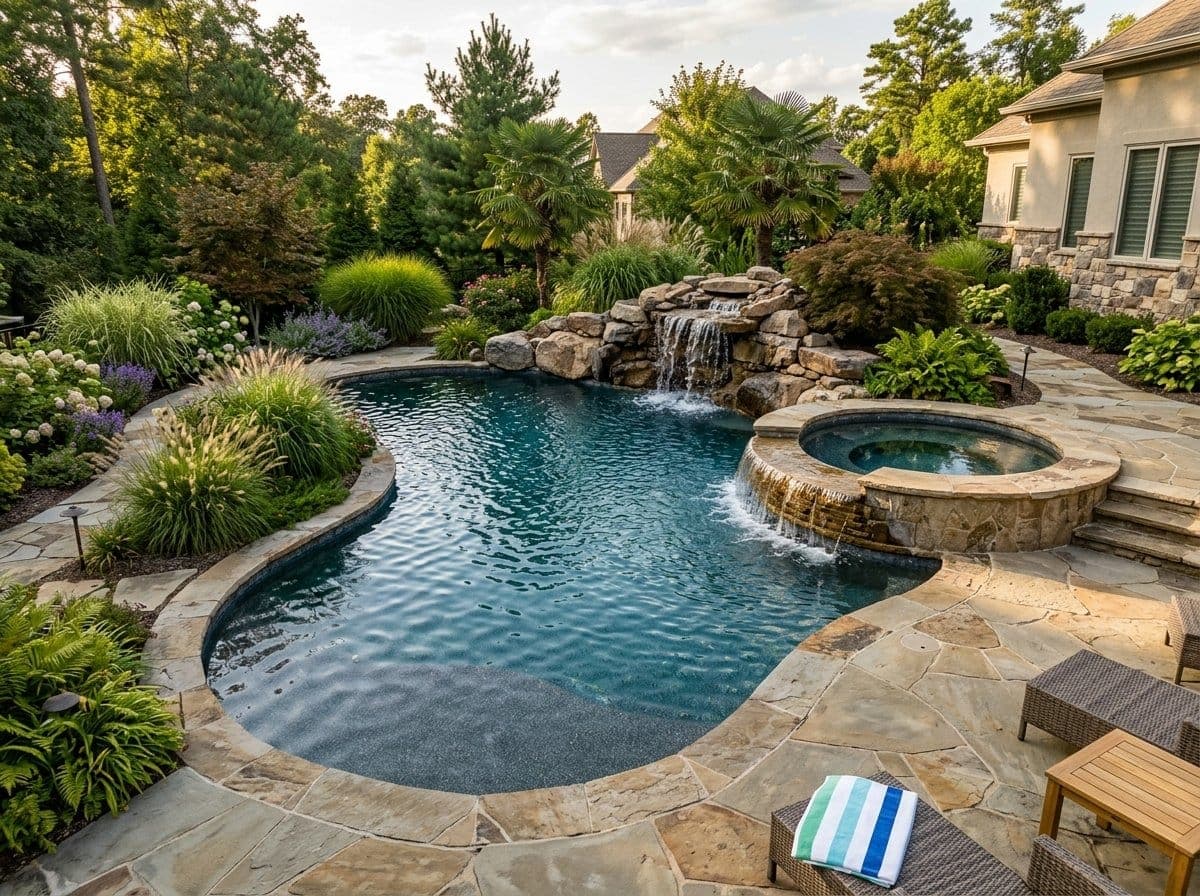
Concrete pools offer unlimited customization and the longest structural lifespan, but they cost the most to build and maintain. The shell is formed on site with a steel rebar framework that is sprayed with concrete (the sprayed method is called gunite or shotcrete) and then finished with plaster, aggregate, or tile. Nothing limits the shape, depth, or features, which is why concrete is the choice for fully bespoke designs.
That freedom comes with the longest build, usually 3 to 6 months, since the shell is constructed and cured in stages on your property. The plaster surface is also porous and slightly rough. Porous surfaces give algae more places to grab on, so concrete pools need more brushing, more chemicals, and careful water balancing. Every 10 to 15 years the surface needs resurfacing, which is a significant expense. The structure itself, however, can last 50 years or more.
The tradeoffs to weigh:
- Unlimited design: any shape, depth, vanishing edge, or custom feature is possible.
- Longest-lasting structure: a well-built concrete shell can last 50 or more years.
- Highest maintenance: the porous surface needs more chemicals, brushing, and water balancing.
- Periodic resurfacing: budget for replastering every 10 to 15 years, plus the longest installation timeline.
Which Inground Pool Is Right for Your Yard?
Match the pool type to your top priority. If low maintenance and a quick installation matter most, fiberglass is usually the best fit. If your upfront budget is the deciding factor, vinyl liner gets you in the water for the least money. If you want a one-of-a-kind shape or depth and you are comfortable with higher upkeep, concrete delivers total freedom.
Choose fiberglass for the lowest maintenance and the fastest install. Choose vinyl liner for the lowest upfront price. Choose concrete when a fully custom shape is worth a higher build and upkeep cost.
It also helps to think past day one. Fiberglass and concrete cost more to build than vinyl, but fiberglass spends the least over its life because there is nothing to replace or resurface. A vinyl pool's lower starting price is offset over the years by liner replacements, and a concrete pool's resurfacing and heavier chemical use add up. The right answer depends on whether you are optimizing for the first check you write or the total you spend over a decade or two.
What Tri-State Pool Buyers Should Know
Our climate and ground conditions shape how a pool should be built here, so a few regional factors matter as much as the pool type itself. The Tri-State area sits in USDA Zone 7a, where winters bring repeated freeze-thaw cycles and many yards have heavy clay soil.
Those freeze-thaw cycles are why every inground pool in the region has to be properly winterized and closed each fall. Ground movement during freezing can shift a pool that was not backfilled correctly, which is why a quality installer uses angular gravel or stone (not loose dirt) around a fiberglass shell. Heavy clay soil also affects excavation and drainage, so site conditions play a real role in your timeline and cost.
Pool barriers and permits are required, and the rules vary. Indiana's residential pool code calls for a barrier at least 48 inches high around an inground pool. Some areas allow an approved automatic safety cover in place of a fence, but requirements and permits differ by county across Indiana, Illinois, and Kentucky. Confirm the specifics with your local building department, and review the pool safety guidelines from the U.S. Consumer Product Safety Commission before you build.
One regional advantage worth noting: choosing a pool built in Indiana keeps parts, warranty support, and service close by. For freeze-thaw country, a shell engineered for the Midwest is a practical edge, not just a marketing line.
Planning Your Pool Project
Once you know the type you want, a little planning makes the whole project smoother. Pool season fills up fast, so it pays to start the conversation early. Spring and summer are the busiest stretch for installers, and getting on the schedule sooner means swimming sooner. Our guide on timing your landscape project covers why early scheduling matters across all outdoor work.
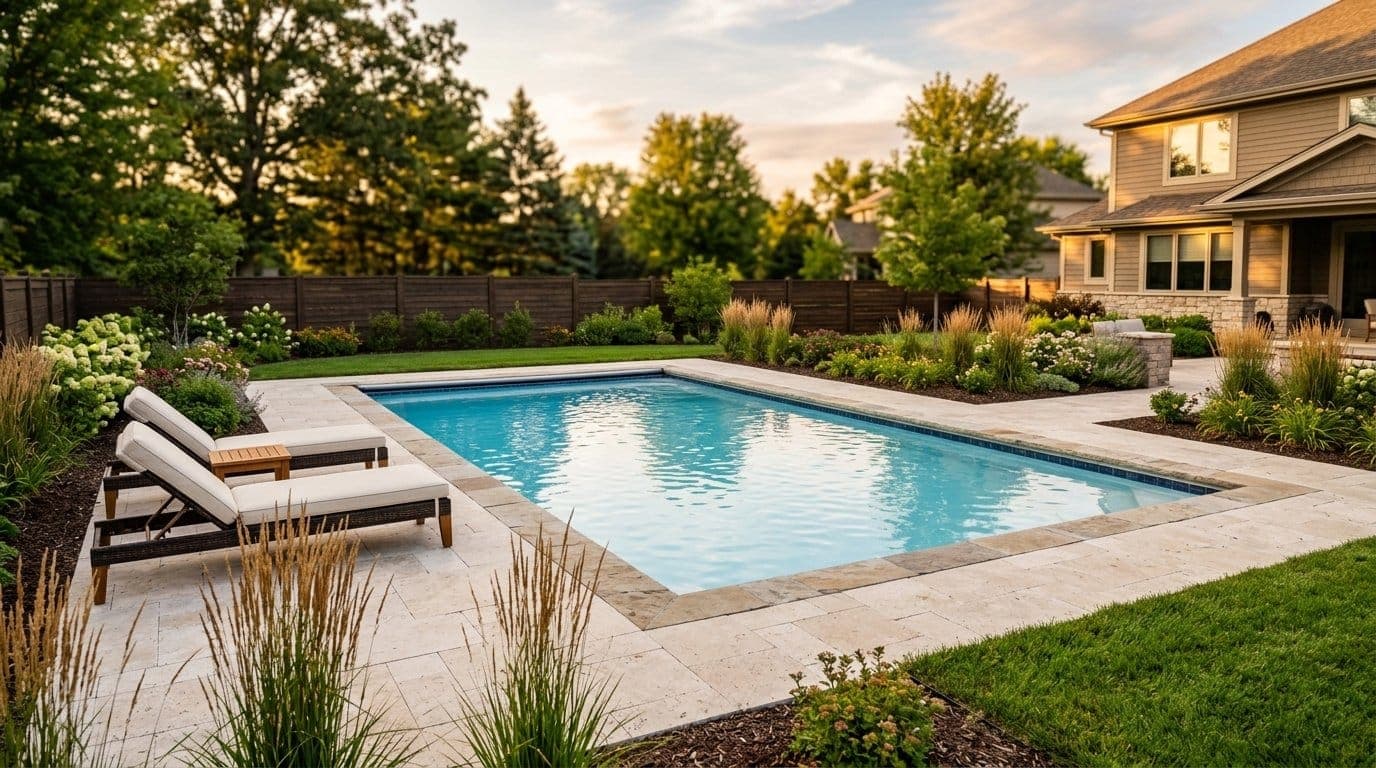
A pool is also the centerpiece of an outdoor space, not the whole thing. Think about how the surrounding area will look and function: thoughtful pool landscaping softens the hardscape and adds privacy, while features like an outdoor kitchen or a fire pit turn a pool deck into a true gathering place. Planning these together from the start is far easier than retrofitting later.
When you are ready, the best next step is a conversation with the Colonial Classics Landscape & Nursery team, who can walk your property, check soil and drainage, and recommend the pool type that fits your goals and budget. Contact us to start planning your inground pool, and explore our full range of inground pool installation options to see what is possible in your yard.