If deer have turned your yard into an open buffet, you are not alone. White-tailed deer pressure across Southern Indiana, Southern Illinois, and Western Kentucky has climbed steadily as suburbs expand into wooded edges. Your hostas disappear overnight. Your tulips are gone the morning after they open. Your new arborvitae looks like a topiary gone wrong. The good news is that the right deer resistant plants can turn your yard from a buffet into a landscape they walk past. This guide covers the most reliable deer resistant plants for Southern Indiana homeowners, organized by perennials, shrubs, trees, bulbs, herbs, and groundcovers.
Every yard is different. Deer pressure varies block by block depending on cover, food availability, and herd size. The picks below come from years of installing plants in the Tri-State area and from trusted university research, but local conditions still matter. Contact us if you want a personalized planting plan for your property.
Why Deer Are a Problem in the Tri-State Area
White-tailed deer browse year-round in Southern Indiana and the surrounding Tri-State area, with pressure peaking in late winter and early spring. The region sits in USDA Zone 7a, where mild winters keep deer active and reproducing at high rates. Indiana DNR data confirms a large and healthy statewide deer population, and suburban development around Newburgh, Evansville, and the surrounding region has fragmented natural habitat. The result is that deer treat residential yards as part of their daily foraging routes.
A single adult deer eats 6 to 8 pounds of vegetation per day. When food is scarce, deer eat almost anything green. Understanding their behavior helps explain why "deer resistant" works as a strategy. Deer prefer easy calories. If your yard offers tougher choices than the neighbor's, deer move on. The goal is not to make your yard inedible. The goal is to make it the least attractive option on the block.
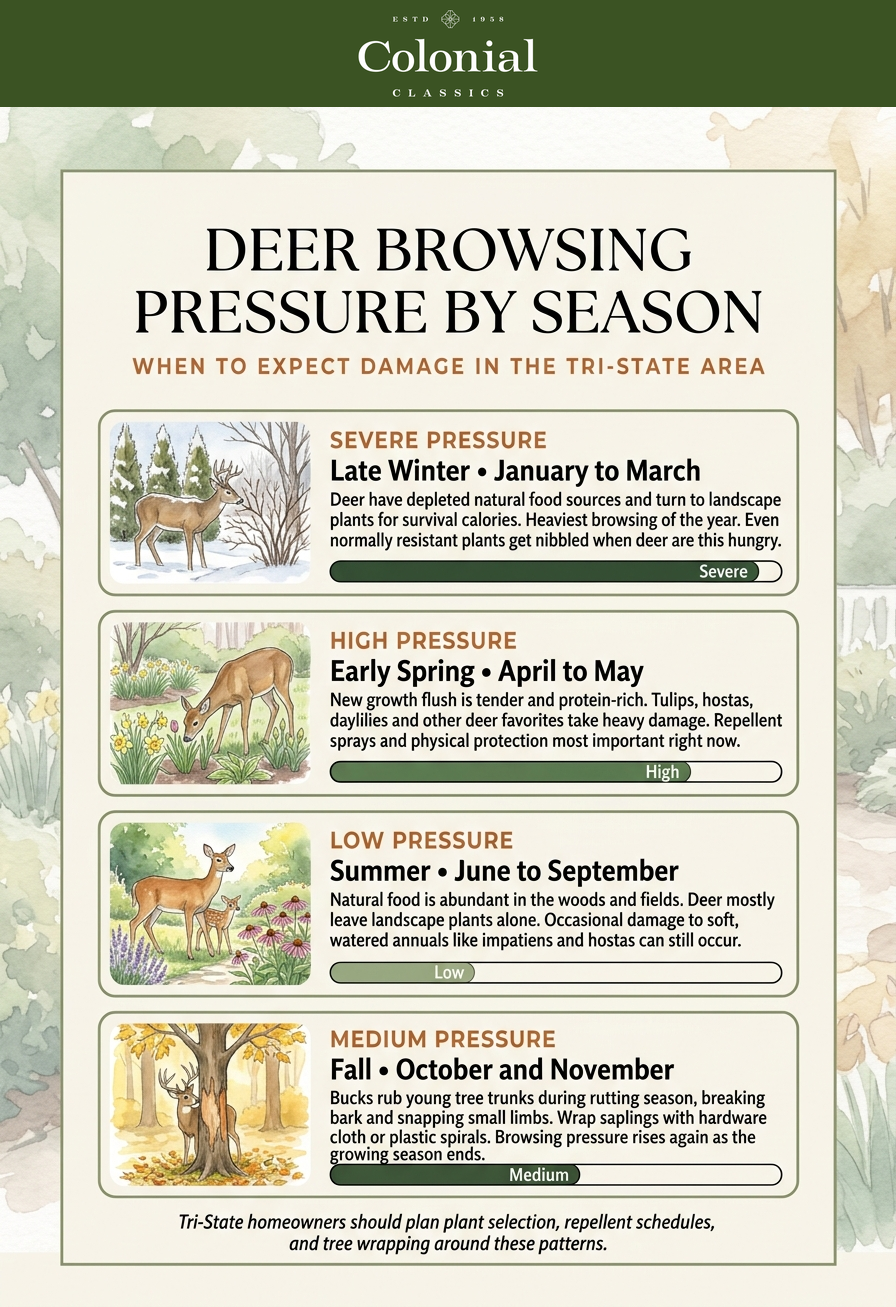
Deer Resistant Does Not Mean Deer Proof
No plant is fully deer proof. A starving deer will eat boxwood, daffodils, even yew. What "deer resistant" really means is "rarely browsed under normal conditions." Rutgers Cooperative Extension, which maintains the most respected deer resistance rating list in the country, uses four tiers:
- Rarely Damaged (A): The most reliable picks
- Seldom Severely Damaged (B): Generally safe with occasional nibbles
- Occasionally Severely Damaged (C): Use only with protection
- Frequently Severely Damaged (D): Avoid or fence
Plants in the A and B categories rely on one of four defenses: strong scent, toxic compounds, fuzzy or prickly texture, or bitter taste. Most picks below fall into the A or B tier in our region.
The strongest deer resistant gardens combine three defense types: scented herbs at the perimeter, textured or toxic backbones in the middle, and bulbs or groundcovers as living mulch. Layering defenses works better than relying on any single plant.
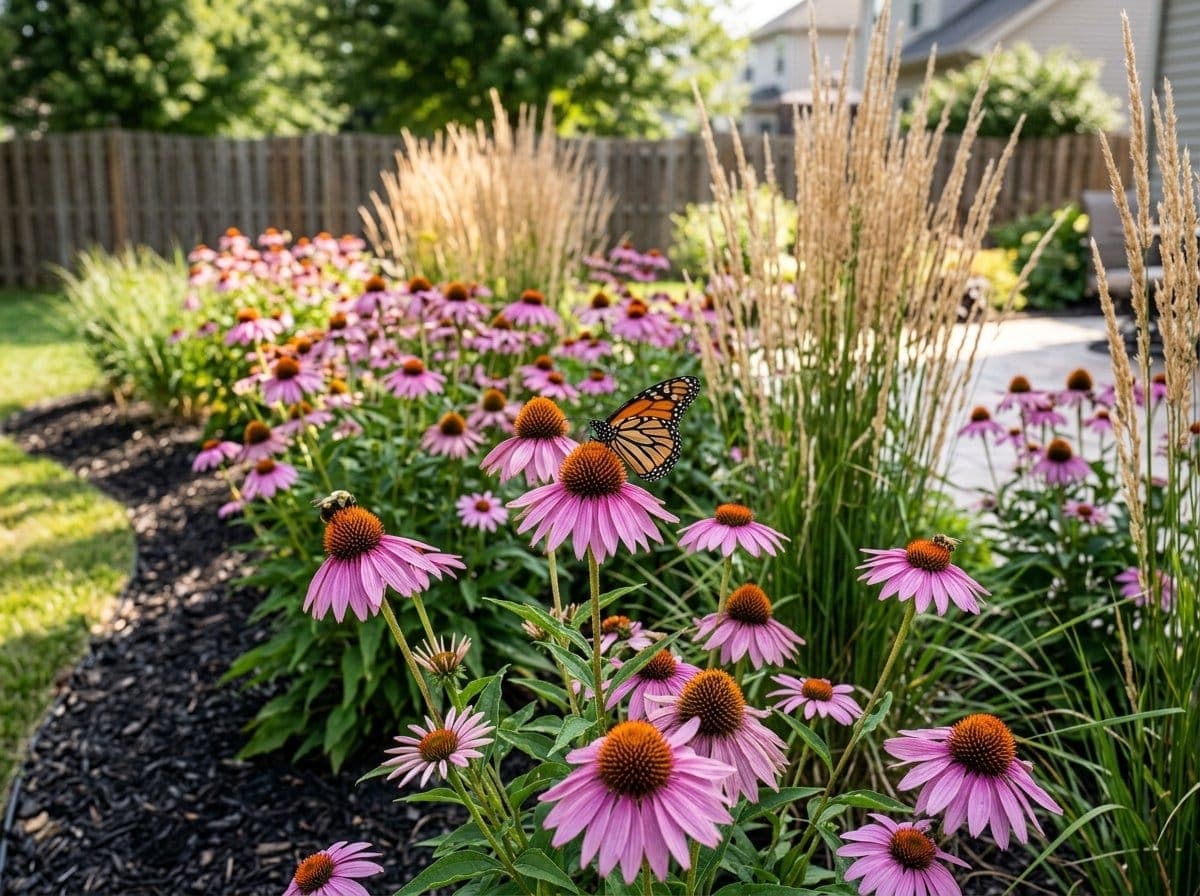
The Best Deer Resistant Perennials
Perennials are the workhorses of a deer resistant garden because they come back every year and most of the best picks for our region also thrive in clay soil and Tri-State humidity.
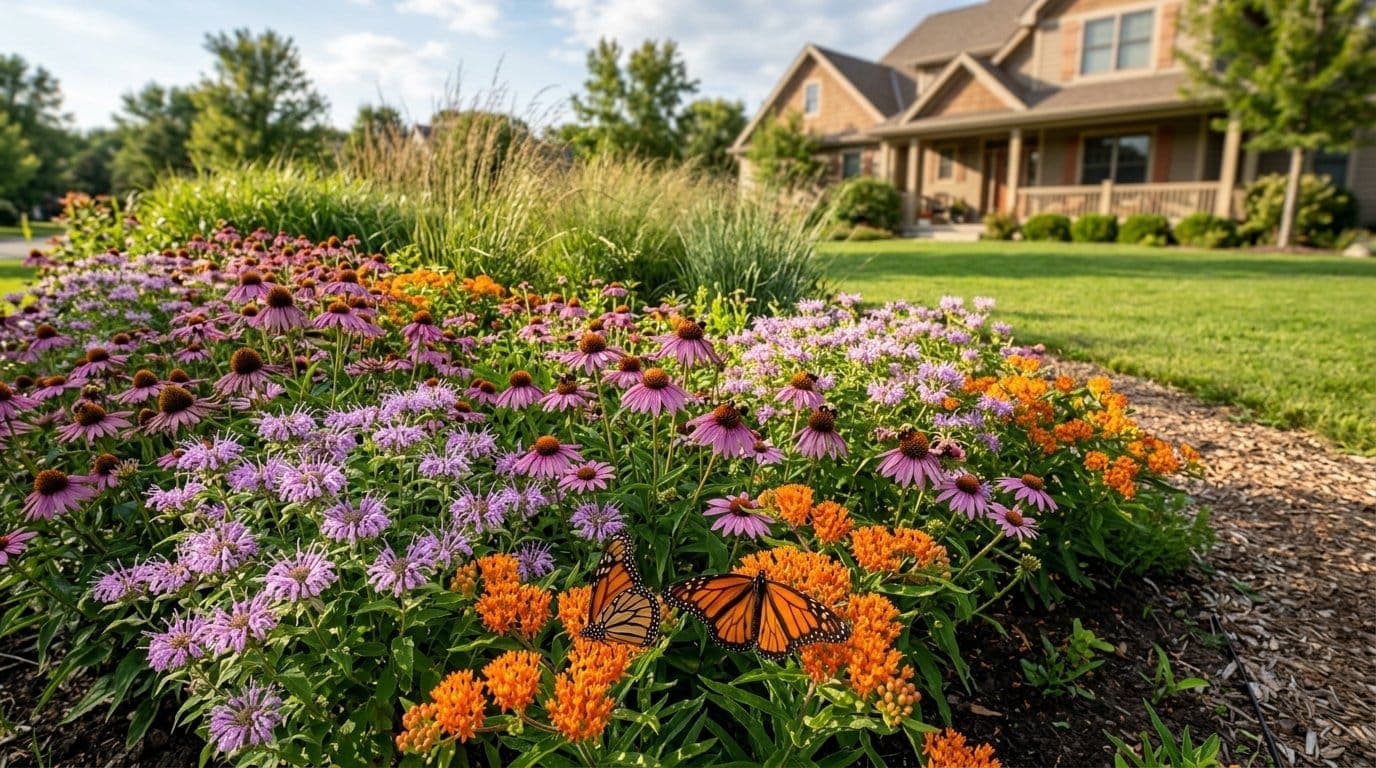
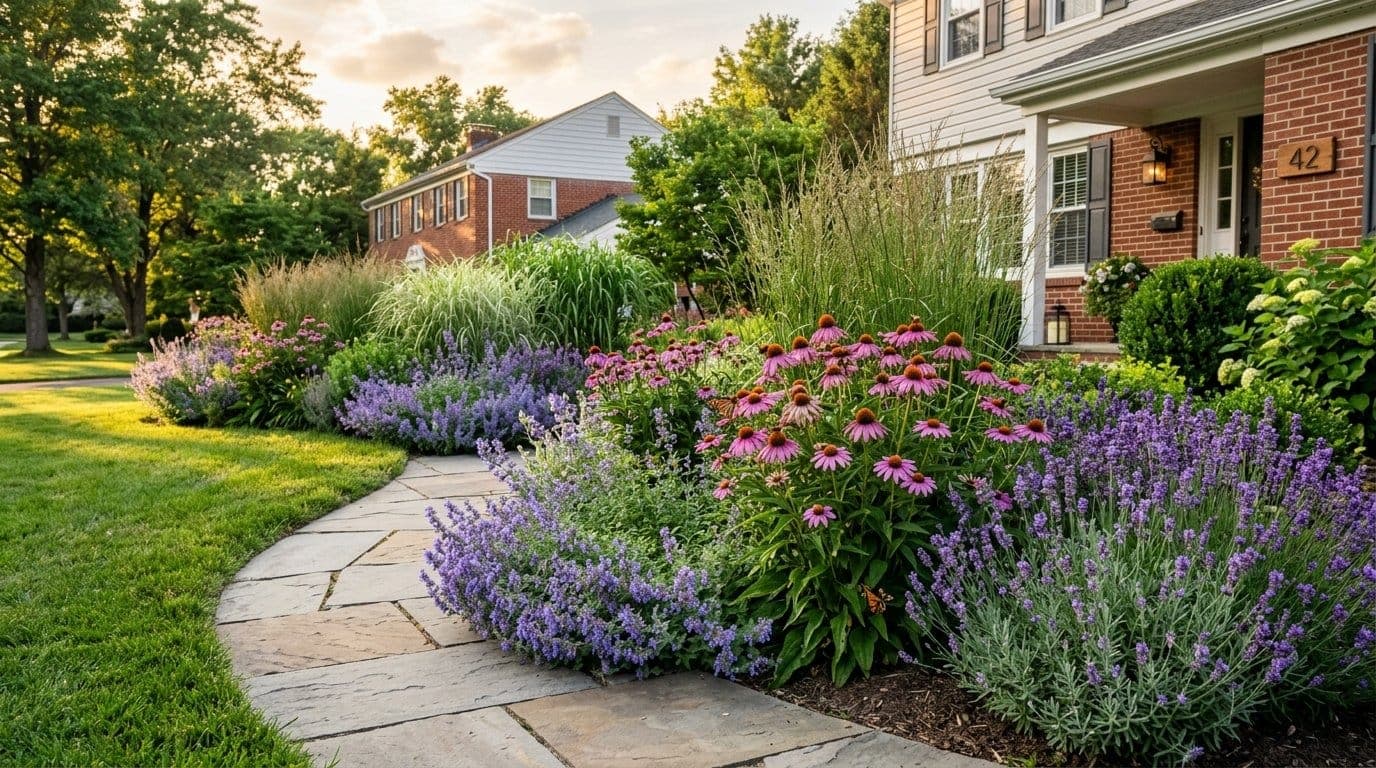
- Purple Coneflower (Echinacea purpurea): Rough hairy leaves and bristly seed heads deter deer. Full sun, 3 to 4 feet tall, blooms June through September, drought tolerant once established.
- Catmint (Nepeta x faassenii): Strong minty oil is one of the most reliable deer repellents in our installs. Full sun, 18 to 24 inches, blooms May through October if sheared back midsummer.
- Russian Sage (Perovskia atriplicifolia): Aromatic silver foliage and woody stems make this one of the least browsed perennials we plant. Full sun, 3 to 4 feet, blooms late summer into fall.
- Lenten Rose (Helleborus orientalis): Toxic leathery foliage and very early bloom time give this perennial a clear edge in shade gardens. Part to full shade, 12 to 18 inches, blooms February through April.
- Bee Balm (Monarda): Pungent mint family foliage and tubular flowers that pollinators love. Full sun to part shade, 2 to 4 feet, blooms July and August. Pick mildew resistant varieties like 'Jacob Cline' for our humidity.
- Salvia (Salvia nemorosa): Strong sage scent. Full sun, 18 to 30 inches, blooms May through July with a second flush after cutting back.
- Yarrow (Achillea): Fern-like aromatic foliage. Full sun, 18 to 36 inches, blooms June through September. Tolerates dry soil and poor fertility.
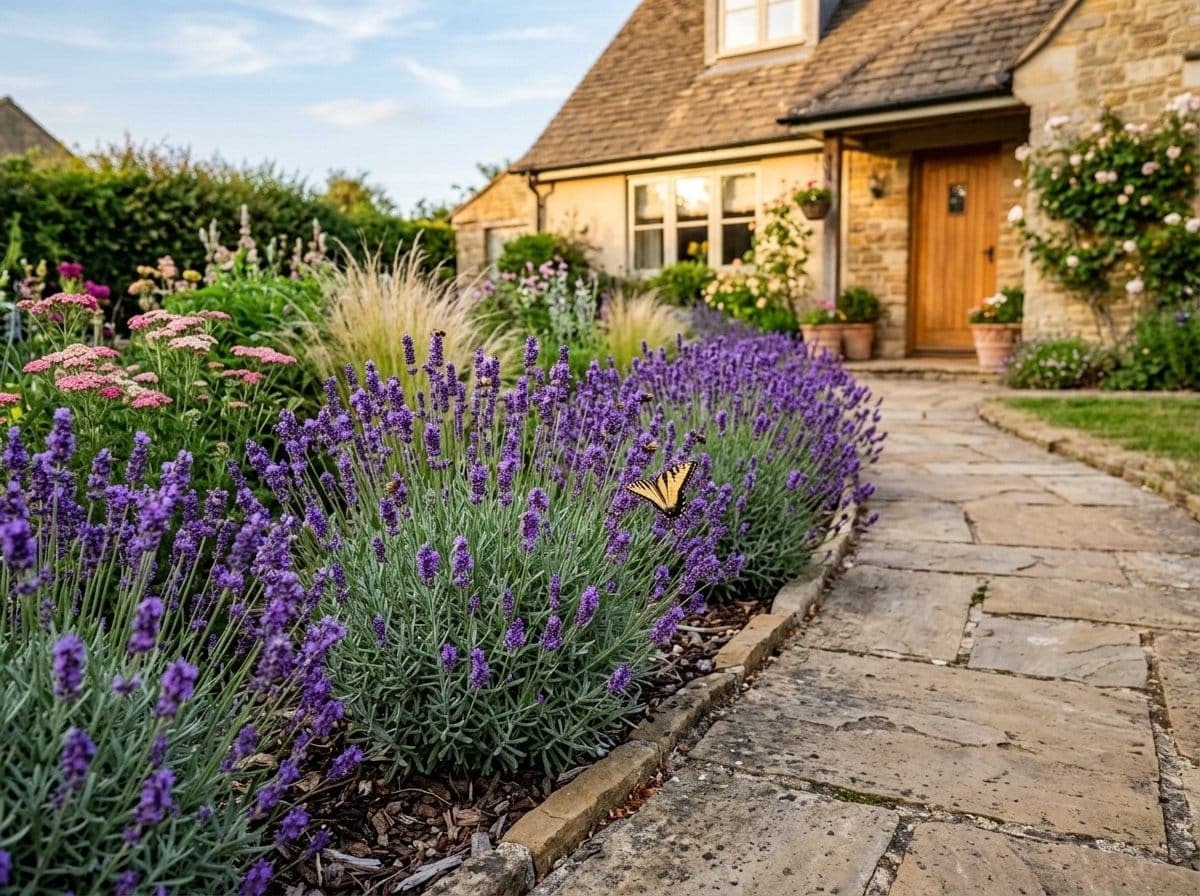
- Lavender (Lavandula): Intense essential oils and silvery foliage. Full sun and excellent drainage required, so plant on slopes or raised beds. 12 to 24 inches, blooms June and July.
Browse our full perennials and grasses inventory for current stock by season.
The Best Deer Resistant Shrubs
Shrubs provide year-round structure and screening. The picks below are reliably resistant in the Tri-State area. For a deeper dive into shrub selection, see our guide to the best shrubs for landscaping.
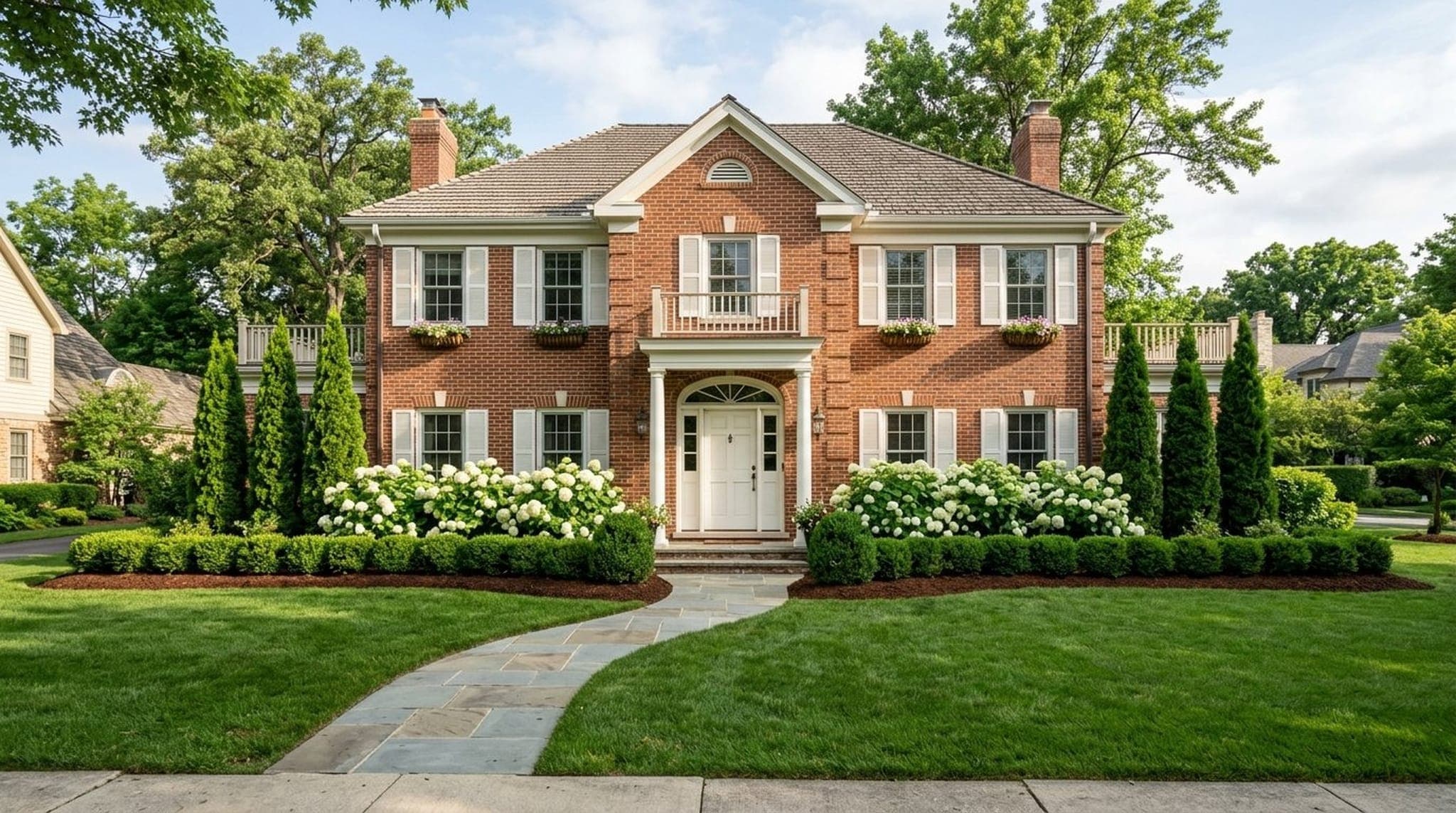
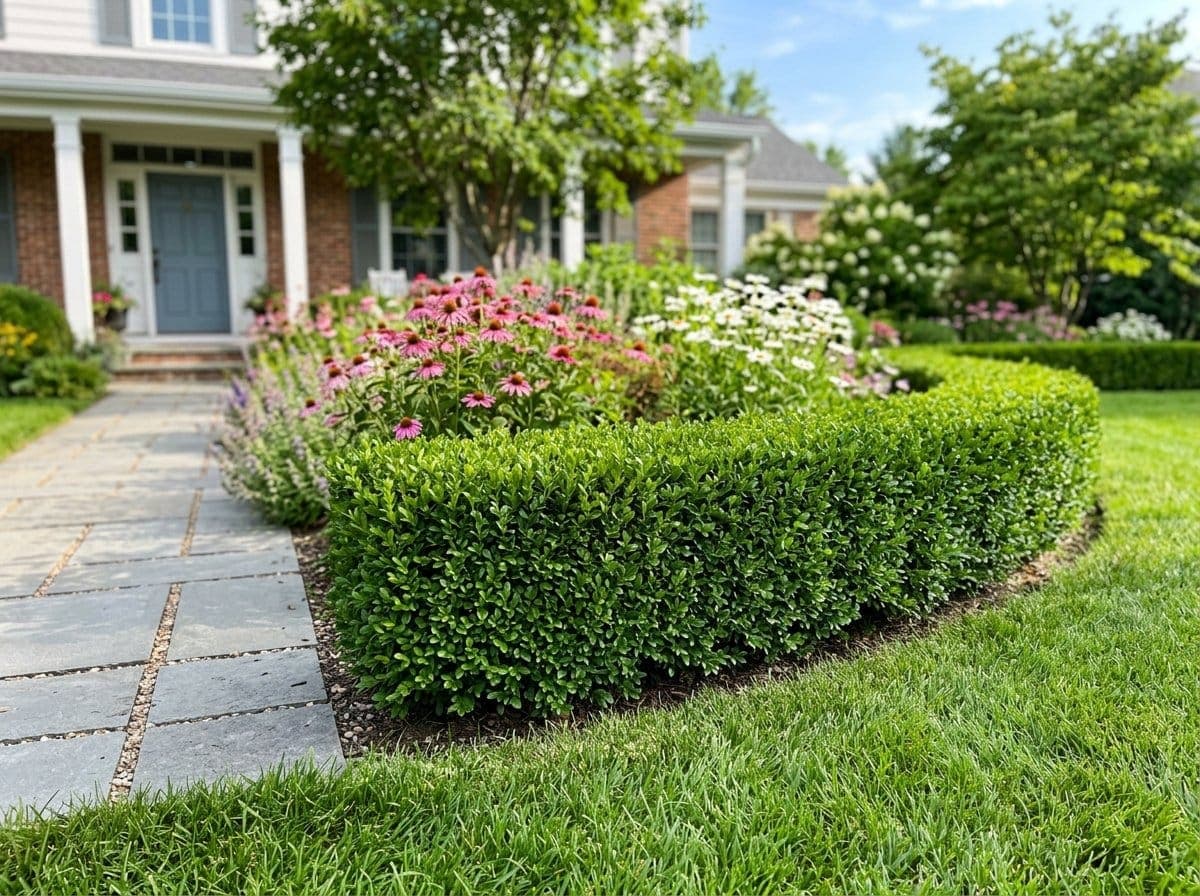
- Boxwood (Buxus): Bitter scent and dense growth. Evergreen, sun to part shade, sizes from 2 feet to 8 feet depending on variety.
- Juniper (Juniperus): Sharp resinous foliage. Evergreen, full sun, options from groundcover spreaders to 20-foot upright forms.
- American Holly (Ilex opaca): Spiny leathery leaves and bitter berries. Evergreen, sun to part shade, 15 to 30 feet tall.
- Inkberry Holly (Ilex glabra): Native alternative to boxwood with similar deer resistance. Sun to part shade, 4 to 8 feet, tolerates wet soil.
- Spirea (Spiraea): Aromatic foliage and arching habit. Sun, 2 to 5 feet, blooms spring or summer depending on variety.
- Bayberry (Myrica pensylvanica): Aromatic foliage and waxy gray berries. Sun to part shade, 5 to 10 feet, tolerates poor soil.
Our trees and shrubs section carries seasonal stock of all of these.
The Best Deer Resistant Trees
Mature trees rarely have deer problems because foliage is out of reach, but young trees and saplings are vulnerable to rubbing damage during fall rutting season and to browsing on low branches.
- Norway Spruce (Picea abies): Sharp needles deter both browsing and rubbing. Full sun, 40 to 60 feet, fast growing windbreak.
- Eastern Red Cedar (Juniperus virginiana): Resinous needles and native to our region. Sun, 30 to 40 feet, drought tolerant once established.
- River Birch (Betula nigra): Bitter bark and peeling texture. Sun to part shade, 40 to 70 feet, tolerates wet soil and seasonal flooding.
- Honeylocust (Gleditsia triacanthos): Open canopy and small leaflets that deer ignore. Full sun, 40 to 70 feet, choose thornless cultivars like 'Skyline' or 'Shademaster'.
- Sweetgum (Liquidambar styraciflua): Star-shaped leaves and spiky seed pods are unpalatable. Sun, 60 to 75 feet, brilliant fall color.
Wrap young tree trunks with hardware cloth or plastic tree guards during the first three winters to prevent rubbing damage from bucks.
The Best Deer Resistant Bulbs and Spring Color
Spring bulbs are where deer resistance really pays off. While neighbors watch their tulips disappear overnight, you can have weeks of color from bulbs deer refuse to touch.
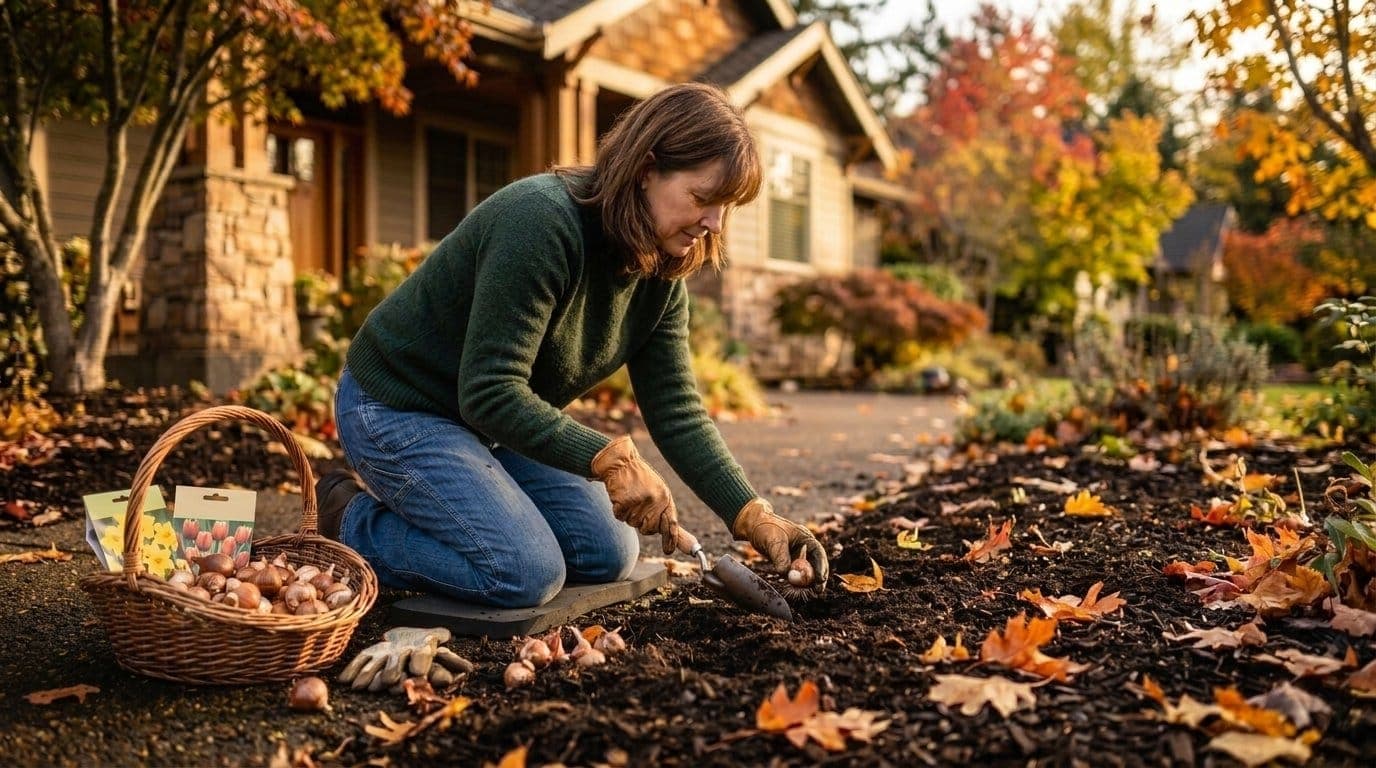
- Daffodils (Narcissus): Toxic alkaloids make every part of the plant unpalatable. Plant in fall 6 inches deep, blooms March through April, multiplies year after year.
- Ornamental Onion (Allium): Sulfur compounds give bulbs and foliage a strong onion scent deer avoid. Fall planting, blooms May through July depending on species, sizes from 6 inches to 4 feet.
- Snowdrops (Galanthus): Toxic and one of the very first blooms of the year. Plant in fall, blooms February.
- Grape Hyacinth (Muscari): Deer rarely touch them and they naturalize freely. Plant in fall, blooms April.
- Crown Imperial (Fritillaria imperialis): Skunky scent and dramatic 3-foot stems. Plant in fall in well-drained soil.
Plant daffodils as a perimeter ring around tulips, hostas, and other deer favorites. The scent and toxicity of daffodil foliage masks the more attractive plants behind them.
The Best Deer Resistant Herbs and Fragrant Plants
Aromatic herbs serve double duty. They feed your kitchen and create a scent barrier that confuses deer before they ever reach the plants you want to protect.
- Lavender: Essential oils that deer hate.
- Rosemary: Intense pine-like scent.
- Sage and Russian Sage: Pungent gray foliage.
- Thyme: Spreading aromatic groundcover.
- Oregano: Tough drought tolerant herb.
- Mint: plant in pots only because it spreads aggressively.
- Garlic Chives: Onion family scent.
Plant herbs at the front edge of mixed borders or in pots flanking entry beds.
The Best Deer Resistant Groundcovers
Groundcovers fill in around larger plants and act as living mulch. The picks below tolerate the heat, humidity, and clay soils common across the Tri-State area.
- Pachysandra (Pachysandra terminalis): Leathery evergreen leaves. Part to full shade, spreads to form a dense mat 8 inches tall.
- Ajuga (Ajuga reptans): Tough semi-evergreen foliage with spring flower spikes. Part shade, 4 to 6 inches.
- Vinca (Vinca minor): Glossy evergreen leaves and blue spring flowers. Shade to part sun, 4 to 6 inches.
- Creeping Thyme (Thymus serpyllum): Aromatic and walkable. Full sun, 2 to 4 inches, blooms June.
- Lamb's Ear (Stachys byzantina): Fuzzy silver leaves deer dislike touching. Full sun, 6 to 12 inches.
Plants Deer Love (Avoid or Protect These)
If you already have these in your yard and they keep getting browsed, that is normal. These plants top the deer preference list across our region.
| Plant | Why Deer Love It | Better Substitute |
|---|---|---|
| Hosta | Tender succulent leaves | Lenten rose or heuchera |
| Daylily | Buds and flower stalks | Catmint or yarrow |
| Tulip | High-energy bulbs | Daffodil or allium |
| Yew | Soft evergreen needles | Boxwood or juniper |
| Arborvitae | Tender new growth | Norway spruce or holly |
| Impatiens | Soft succulent stems | Begonia or torenia |
| English ivy | High moisture content | Pachysandra or vinca |
| Phlox | Tender summer growth | Russian sage or salvia |
If you cannot bear to remove a favorite that deer love, place it in the most protected spot in your yard, ring it with strongly scented herbs, and plan to spray repellent on a regular schedule.
What to Do If Deer Have Already Found Your Yard
Plant selection is the foundation, but layered defense beats any single tactic. Use the techniques below together for the strongest results.
- Rotating repellents: Use products with different active ingredients (egg solids, garlic, hot pepper, predator urine) so deer do not get used to one scent. Reapply after rain. Expect to spray every 2 to 4 weeks during peak browsing.
- 8-foot perimeter fencing: The only fence height that reliably stops a determined deer. For ornamental beds, a 4-foot fence angled outward at the top can work because deer hesitate to land in uncertain space.
- Motion-activated sprinklers: Effective in defined zones but move them every few weeks so deer do not learn the pattern.
- Tree guards: Hardware cloth or plastic spirals on young tree trunks during the first three winters stops rubbing damage from bucks.
- Habitat removal: Trim low brush and tall grass near foundations so deer cannot bed close to your house overnight.
Mothballs, soap shavings, and human hair do not work. These folk remedies show up on every gardening forum but fail in field trials. Stick to plant selection, registered repellents, and physical barriers.
Designing a Layered Deer Resistant Landscape
A well-designed deer resistant landscape uses layers the same way a forest does, with each layer reinforcing the next.
- Canopy and screening: Norway spruce, holly, or honeylocust on the property edges.
- Mid-layer shrubs: Boxwood, juniper, and inkberry holly framing beds and softening corners.
- Aromatic perimeter: Lavender, catmint, salvia, and Russian sage at the front of beds and along walkways.
- Backbone perennials: Coneflower, bee balm, yarrow, and ornamental grasses inside the herb ring.
- Spring bulb ring: Daffodils and alliums as a perimeter band.
- Living mulch: Pachysandra, vinca, lamb's ear, and creeping thyme in shade pockets and between stones.
The plants you most want to protect, like a single specimen hydrangea or a special hosta collection, go in the most defended spot, ringed by aromatic herbs and within range of motion sprinklers.
Ready to Stop Feeding the Neighborhood Deer?
Colonial Classics Landscape & Nursery has been designing and planting Tri-State yards for over 65 years, and deer pressure is one of the most common problems we help homeowners solve across Newburgh, Evansville, and the surrounding Southern Indiana, Southern Illinois, and Western Kentucky region. Whether you want to pick up a few deer resistant perennials at our garden center or have our landscape design team put together a full deer resistant planting plan for your property, we know which species actually hold up in our specific neighborhoods and which ones the deer in your area will treat as a snack.
Schedule a free consultation and we will walk your yard together, look at where deer are entering and what they are eating, and build a planting plan that turns your landscape into one they walk past.