
Lawn Aeration & Overseeding
A Thicker Lawn Starts This Fall
Core aeration and overseeding, timed to the Tri-State's fall window, so your grass comes back thicker next spring.
Two jobs that work far better together
By late summer, most Tri-State lawns are worn down. Months of heat, foot traffic, and drought pack the soil tight and leave thin, patchy turf. Core aeration pulls small plugs from the soil so water, air, and nutrients reach the roots again. Overseeding drops fresh, improved grass into the openings while conditions are ideal for it to take hold.
Done together in early fall, the two turn a tired lawn into a denser, healthier one. Our crew handles the whole job, matched to your turf and your property, so you skip the rental equipment and the guesswork.
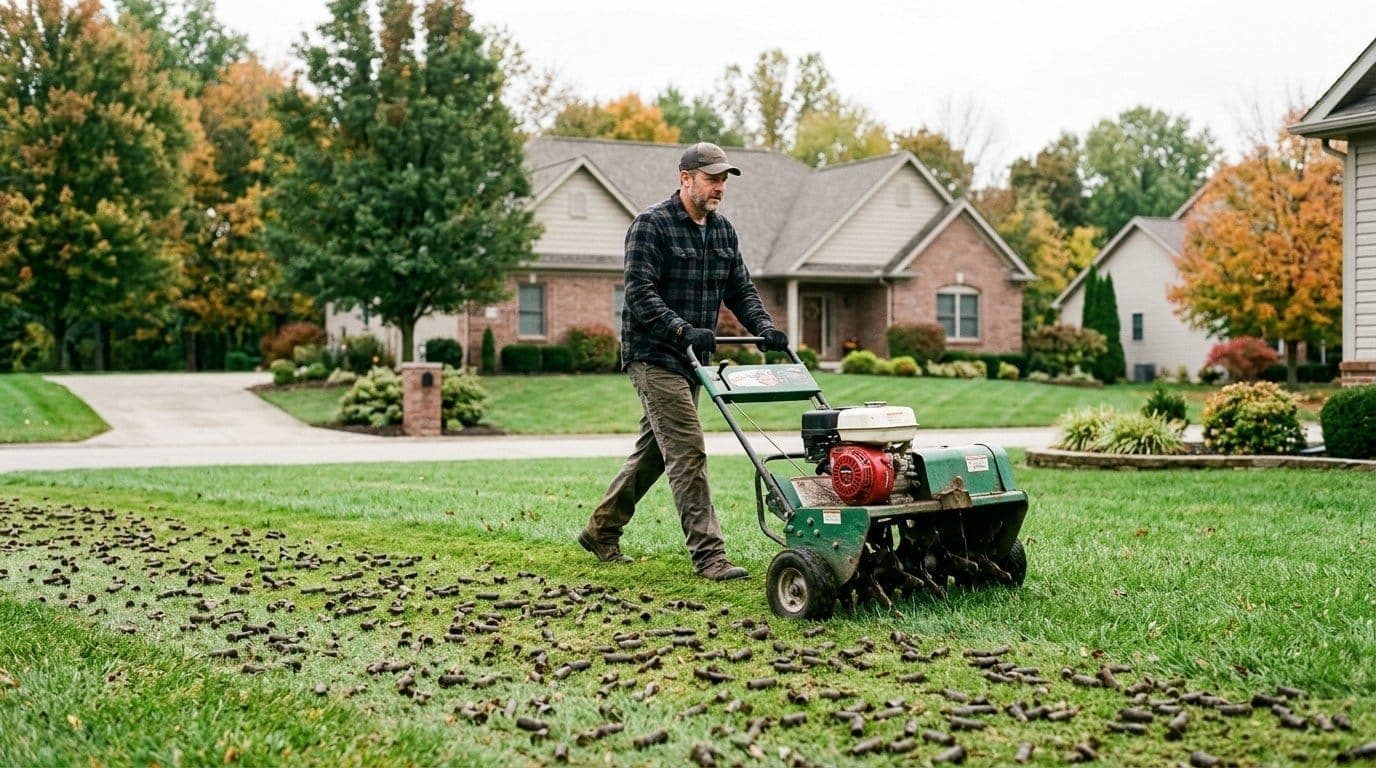
Core aeration across the lawn
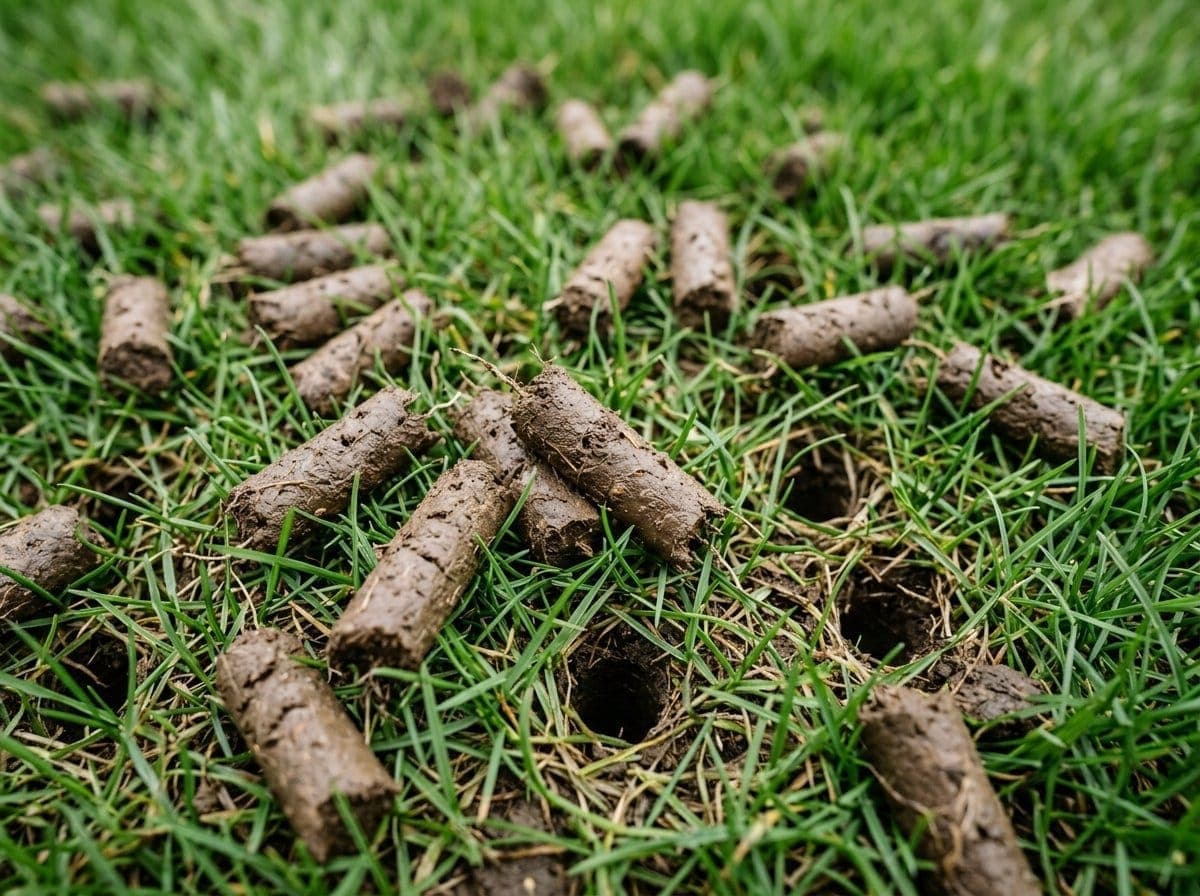
A core aerator pulls small plugs of soil out of the turf so water, air, and nutrients reach the root zone again. The plugs stay on the surface and break down on their own within a couple of weeks.
Overseeding built for Zone 7a
Cool-season varieties suited to Tri-State lawns, such as tall fescue, Kentucky bluegrass, and perennial ryegrass blends, chosen for your sun, shade, and traffic conditions.
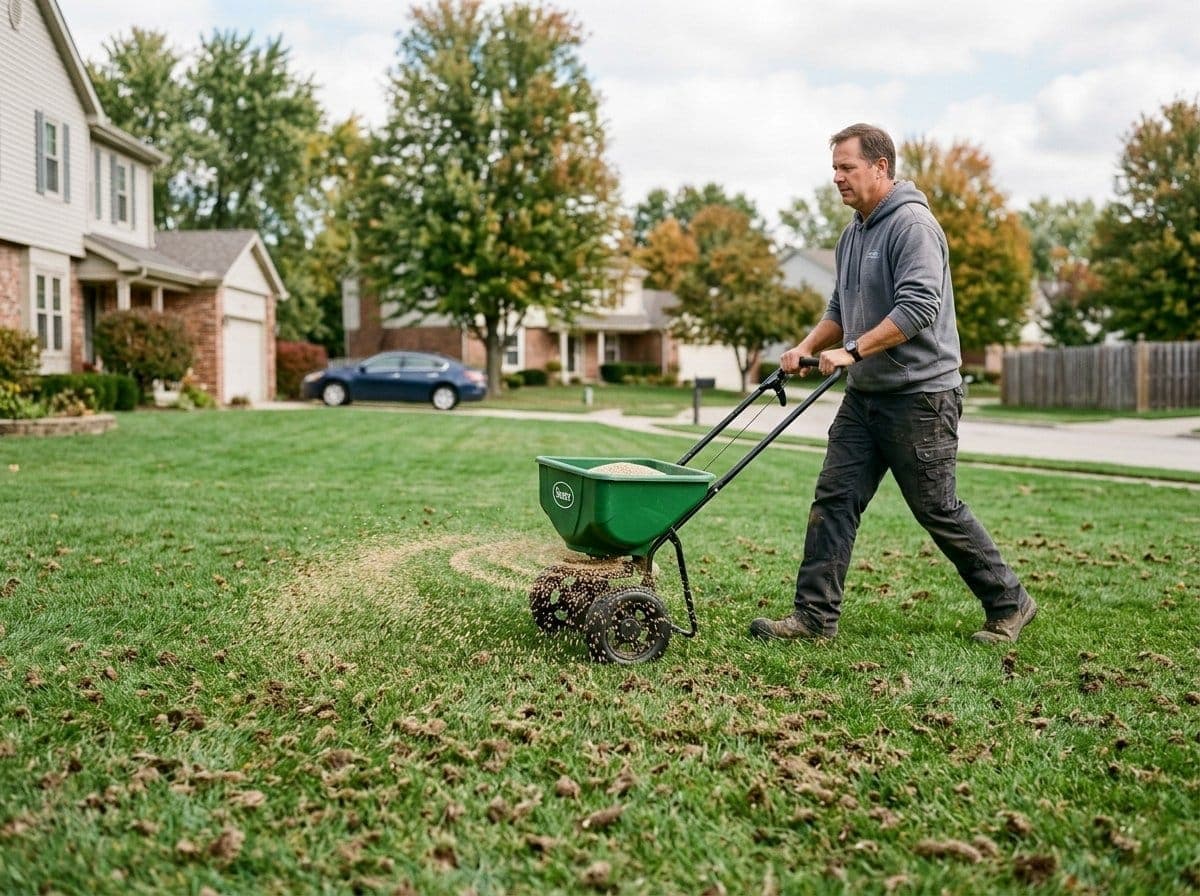
Seed dropped into fresh holes
Seeding immediately after aeration puts the seed in direct contact with soil instead of resting on top of thatch. That single detail is most of the difference between grass that germinates and grass that does not.
Cleanup and aftercare guidance
Hard surfaces blown clean before the crew leaves, plus a starter fertilizer option and a plain-language watering and mowing plan for the six weeks that decide whether the new grass takes.
The window here is short, and it matters
Early fall is the best time to aerate and overseed a cool-season lawn in the Tri-State, roughly late August through early October. The soil still holds summer warmth, which is what drives germination, while cooling air takes the stress off young seedlings. Summer weeds are finishing their cycle, so new grass is not fighting crabgrass for light and water the way spring seeding does.
Grass seeded in September roots through October and November and comes back thick the following spring, ready for summer instead of racing to beat it. Miss the window and the next real chance is a full year out.
For the full breakdown of timing, seed selection, and aftercare, see our guide: Fall Lawn Aeration and Overseeding: The Complete Guide. When you are ready to have it done, we handle it.
Growing things in this soil since 1958
We have grown plants in southern Indiana's soil since 1958, and that nursery knowledge carries straight into your lawn. We know why turf struggles in a Tri-State July, which cool-season grasses hold up on heavy clay, and how to time the work so it actually takes.
Colonial is a design-build firm, a garden center, a nursery, and a pool dealer, all under one roof. One team designs, plants, and maintains, so aeration and overseeding fit into the bigger picture of a healthy property rather than standing alone. If the real problem is drainage, shade, or a bed that should never have been lawn, you will hear that instead of getting sold another round of seed.
Nursery-informed soil science
Decades of growing trees and shrubs in this region gives the crew a working understanding of soil health and root development that goes well beyond running a machine over the yard.
Built for local conditions
The heavy clay common around Newburgh and Evansville compacts differently than the looser soil on other properties, and your seed blend and pass count are set accordingly.
One team, one number to call
Aeration, overseeding, feeding, and cleanup are coordinated by the same crew, so nothing gets scheduled in the wrong order or dropped between contractors.
Four steps from first call to new grass
No rental trailer, no guessing at rates, no wondering whether you seeded too early. Here is exactly how the job runs.
We walk the property and quote it
A crew member looks at your turf type, how compacted the soil is, where the thin spots are, and how much shade you are working with. You get a written quote with the scope spelled out.
You get scheduled in the fall window
Work is booked between late August and early October, when soil is still warm and the air has cooled. The window is short and it fills up, so earlier calls get better dates.
We aerate, then overseed the same day
The lawn gets cored first, in two passes on compacted ground, and seed goes down right behind it. Starter fertilizer follows if it is part of your scope.
You water, we stay reachable
You leave with a watering and mowing schedule for the establishment period. Call your crew if anything looks off, and we will tell you whether it is normal or worth a visit.
Where we aerate and overseed
Crews run out of our Newburgh location on Epworth Road, so most of the properties we service are a short drive away.
We also serve the greater Tri-State, including southern Indiana, western Kentucky, and southeastern Illinois. The whole region sits in USDA Zone 7a, so the same fall window and the same cool-season seed blends apply across all three states. Not sure whether you are in range? Ask us and we will tell you straight.
Aeration and overseeding, answered
When should aeration and overseeding be done here?
Early fall, roughly late August through early October, is the ideal window for cool-season lawns in the Tri-State. Soil is still warm enough for fast germination, the air has cooled, and there is far less weed pressure than in spring.
Do you aerate before or after overseeding?
Aerate first, then overseed right after, so the seed settles into the fresh holes for strong soil contact. Seeding onto ground that has not been opened up leaves most of the seed sitting on thatch where it never germinates.
When will I see results?
New grass roots through fall and fills in over winter, so the payoff shows in a thicker lawn the following spring. You will see germination within one to three weeks, but the real difference is a spring green-up that comes in dense instead of patchy.
What kind of grass seed do you use?
Cool-season varieties suited to Zone 7a lawns, such as tall fescue, Kentucky bluegrass, and perennial ryegrass blends. The mix is matched to your conditions, since a sunny yard on clay and a shaded side yard call for different blends.
Is this a standalone service or part of a plan?
Both. You can book aeration and overseeding on its own as a one-time fall service, or fold it into a maintenance plan so it happens every year without you having to remember it.
What areas do you serve?
We serve Newburgh, Evansville, Boonville, Chandler, and the greater Tri-State area, including western Kentucky and southern Illinois.
What else your lawn needs this fall
Fertilization & Weed Control
A season-long feeding and weed program that keeps the turf you just thickened dense enough to crowd weeds out on its own.
Learn moreSeasonal Cleanup
Leaves cleared and beds prepped in the same stretch of fall, so new grass is not smothered under a layer of debris.
Learn moreSod Installation
When a lawn is too far gone for seed to fix, sod gives you an established lawn immediately instead of waiting on germination.
Learn moreIrrigation Service
Daily watering is what makes or breaks new seed. A tuned-up system handles it for you through the establishment weeks.
Learn moreReady for a thicker lawn next spring?
Book your fall aeration and overseeding. Tell us about your lawn and you will get a walkthrough, a written quote, and a date inside the window that works.