Landscape rock is one of the most durable and lowest-maintenance ways to finish a bed, path, or drainage area, and unlike mulch you never have to buy it again. The trade-off is that rock is a permanent decision, and the wrong type in the wrong spot is a heavy, expensive mistake to undo. This guide walks through every common type of landscape rock, what each one costs, when rock beats mulch, and the one detail that decides whether your rock stays clean or fills with weeds.
Whether you are in Newburgh, Evansville, or anywhere across the Tri-State area into Kentucky and Illinois, these recommendations apply to our shared USDA Zone 7a climate and clay-heavy soils.
Every project is different. The pricing and coverage figures discussed here are general estimates based on typical projects in our area. Your actual costs will depend on rock type, quantity, delivery distance, and site prep. Contact us for a personalized estimate.
Types of Landscape Rock
The right landscape rock depends on where you are using it and the look you want. Decorative rock comes in a range of shapes, sizes, and colors, and each type has a job it does best. Rounded stone like river rock and pea gravel reads soft and natural, while angular crushed stone locks together and holds a firm surface.
Here is how the most common types compare for Tri-State yards.
- Typical Cost
- $60 to $150 per cubic yard
- Size and Look
- Smooth rounded, 1 to 3 inch, tan and gray
- Best For
- Beds, borders, dry creek beds
- Typical Cost
- $40 to $70 per cubic yard
- Size and Look
- Small rounded pebbles, comfortable underfoot
- Best For
- Pathways, patios, seating areas
- Typical Cost
- $25 to $45 per ton
- Size and Look
- Angular, compacts and locks together
- Best For
- Driveways, bases, utility areas
- Typical Cost
- $100 to $180 per cubic yard
- Size and Look
- Lightweight porous red or black
- Best For
- Beds where weight matters, heat-loving plants
- Typical Cost
- $90 to $170 per cubic yard
- Size and Look
- Bright white decorative accent
- Best For
- Shaded beds, modern designs
- Typical Cost
- Priced by the stone or ton
- Size and Look
- Large accent stones
- Best For
- Focal points, borders, dry creek beds
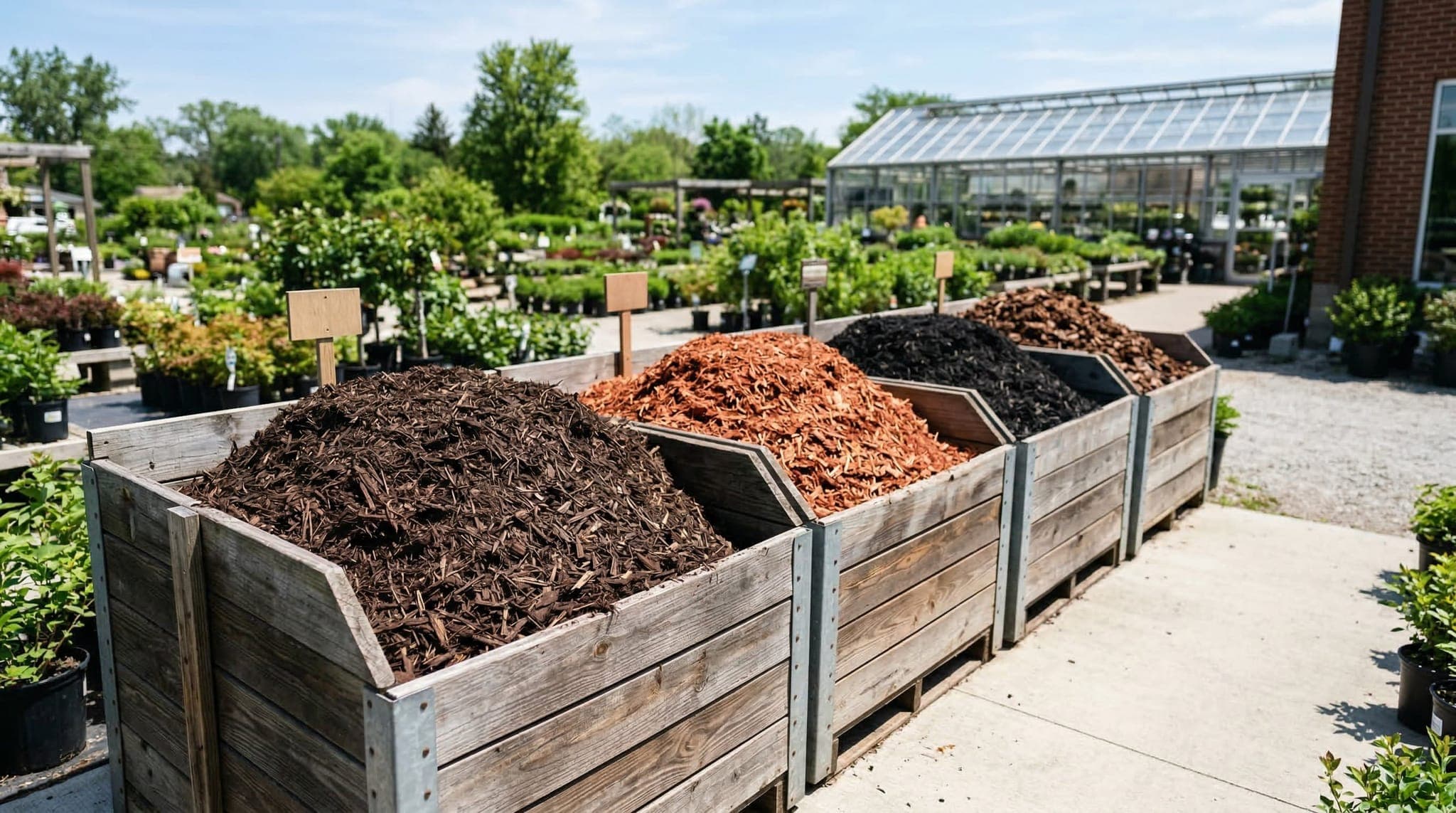
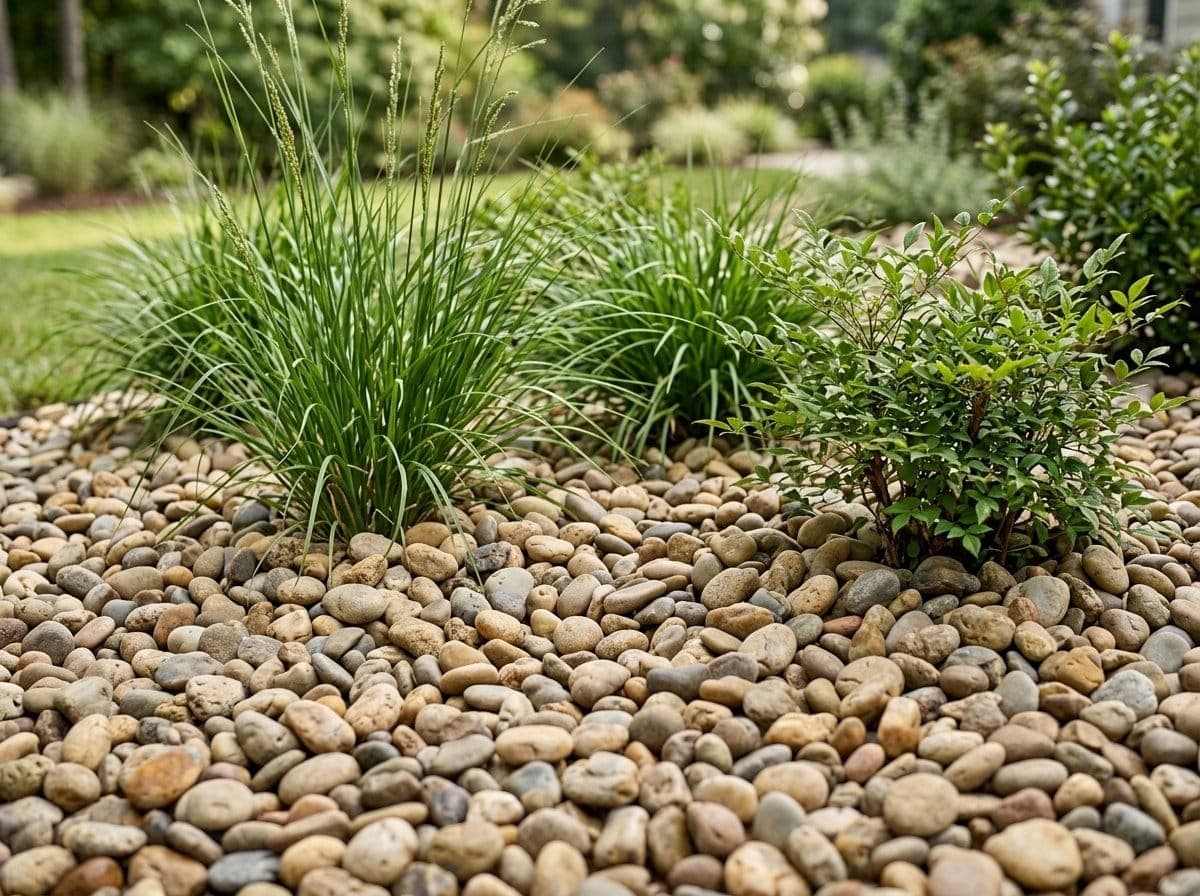
River rock is the runaway favorite for a reason. It looks natural in almost any setting, comes in sizes from small stone up to hand-sized cobble, and holds up for decades. If you are not sure where to start, a mid-gray or tan river rock is the safest choice. Explore all of our bulk decorative stone and mulch options to see colors in person before you commit.
How Much Does Landscape Rock Cost
Most decorative landscape rock costs $40 to $180 per cubic yard in bulk in the Evansville and Newburgh area, depending on the type. Pea gravel and crushed limestone sit at the low end, river rock lands in the middle, and specialty stone like lava rock and white marble chip runs highest. Rock is sold two ways: by the cubic yard (volume) and by the ton (weight). One cubic yard of most landscape rock weighs about 1.3 to 1.4 tons, so the two prices are close once you convert.
Bagged rock from a home center costs $4 to $8 per half-cubic-foot bag. That is fine for a container or a tiny accent, but it adds up fast. It takes roughly 40 bags to equal a single cubic yard, so anything larger than a weekend project is far cheaper delivered in bulk.
How Much Rock Do You Need
Measure the square footage of your area, then plan for a finished depth of 3 inches. At that depth, one cubic yard of rock covers about 100 square feet, and one ton covers roughly 70 to 90 square feet. For a 300-square-foot bed, that works out to about 3 cubic yards or a little over 4 tons. Always round up so you are not stopping a job to order more.
Buy landscape rock in bulk by the cubic yard or ton, not in bags, for anything larger than a small accent. Plan for a 3-inch depth, where one cubic yard covers about 100 square feet.
Landscape Rock vs Mulch
Use rock where you want a permanent ground cover and mulch where you are growing plants. That is the short version. Rock never decomposes, so you install it once and rarely touch it again, which makes it ideal for pathways, foundation borders, drainage swales, and low-plant zones. Mulch breaks down over a season or two, but that is a feature in planting beds because it holds moisture and feeds the soil as it decays.
The catch is heat and soil health. Rock absorbs sun and radiates it back, which can bake the shallow roots of perennials and annuals in a hot Tri-State July. It also does nothing to improve our heavy clay soil, a trade-off university horticulture programs point out when comparing rock and mulch. For beds full of living plants, mulch is almost always the better call. For a full breakdown of mulch types and costs, see our mulch buyer's guide.
| Factor | Landscape Rock | Mulch |
|---|---|---|
| Lifespan | Decades, permanent | 1 to 3 seasons |
| Upfront cost | Higher | Lower |
| Long-term cost | Low, no replacement | Recurring every year |
| Soil health | No benefit | Feeds soil as it breaks down |
| Summer heat | Traps and radiates heat | Insulates and cools roots |
| Best use | Paths, drainage, borders | Planting beds, trees, shrubs |
Best Rock for Each Use
Match the rock to the job and both the look and the performance fall into place. Here is where each type earns its keep:
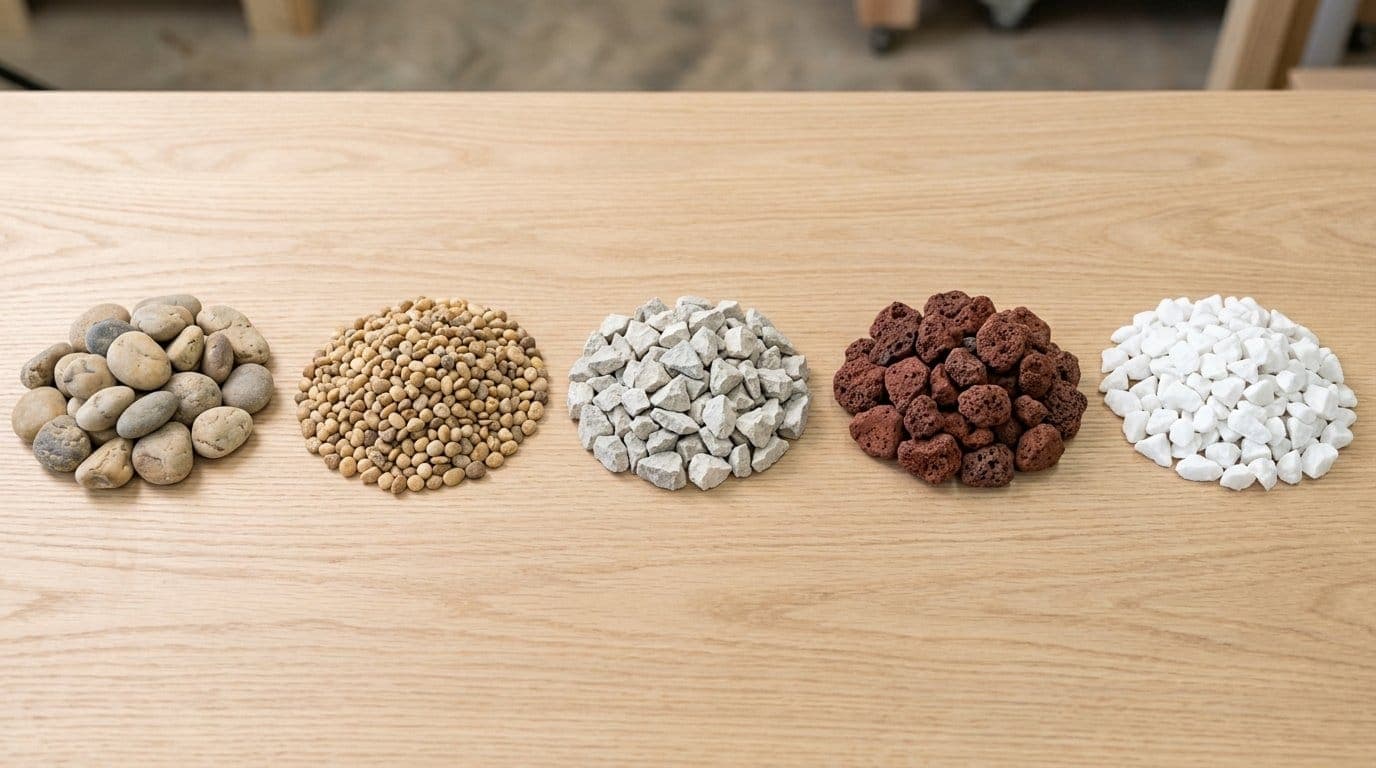
- Garden and shrub beds: River rock in the 1 to 2 inch range gives a clean, natural finish around established shrubs and ornamental grasses that can handle the reflected heat.
- Pathways and patios: Pea gravel is comfortable to walk on, drains instantly, and compacts into a firm surface. Edge it well so it stays put.
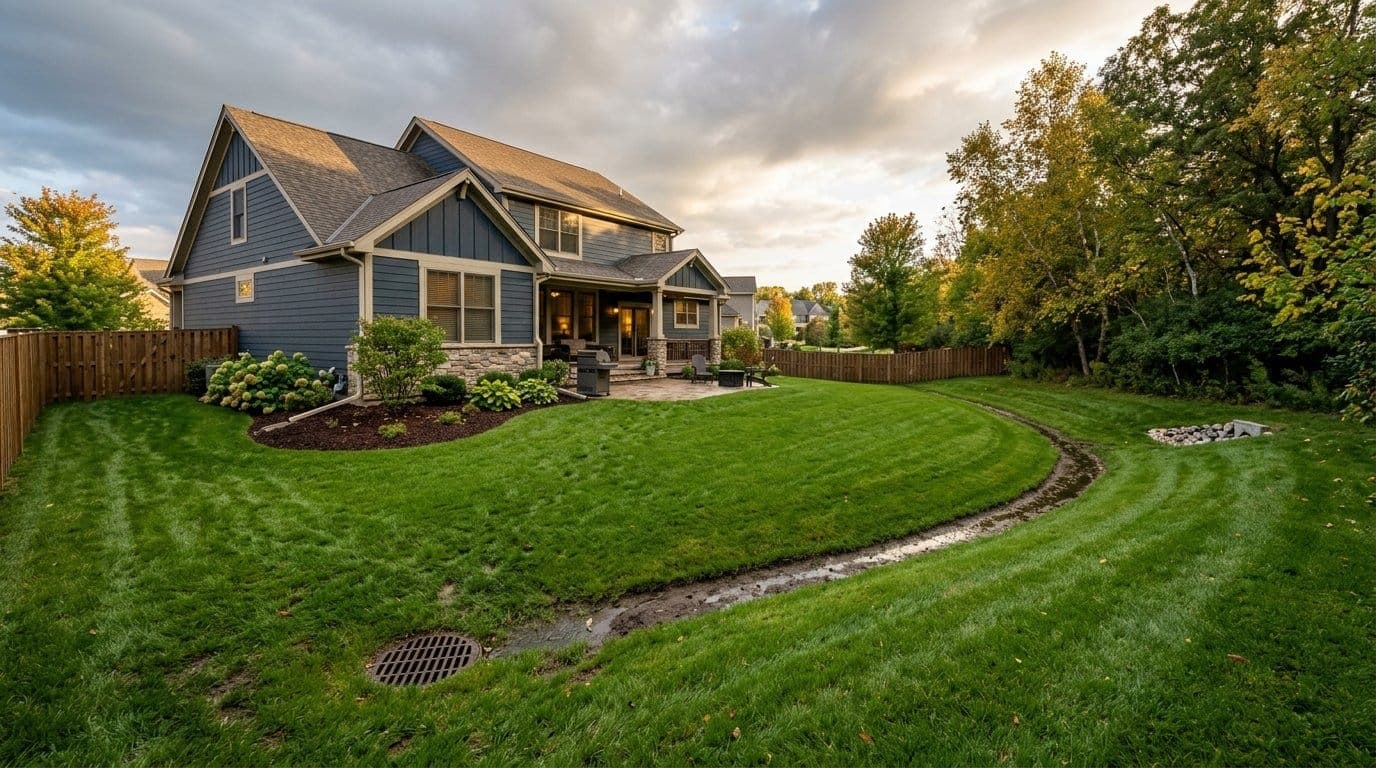
- Drainage and dry creek beds: Larger river rock and cobble move water without washing away. This is the go-to fix for low spots and downspout runoff. Pair it with the strategies in our yard drainage guide for problem areas.
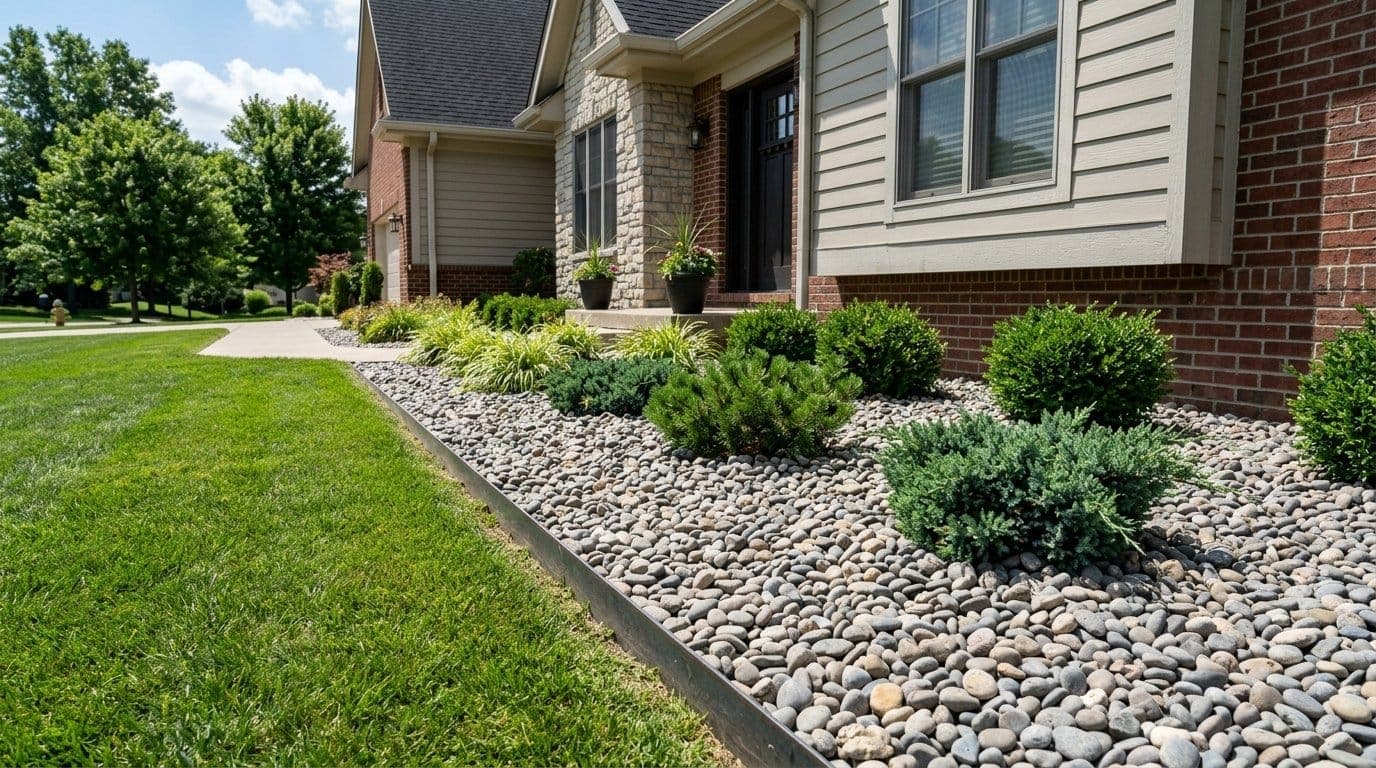
- Foundation borders: A band of rock along the house keeps mulch and soil from splashing the siding and discourages pests that nest in damp mulch.
- Modern and shaded designs: White marble chip and light stone brighten dim corners and pair well with clean, contemporary lines.
How to Keep Weeds Out of Landscape Rock
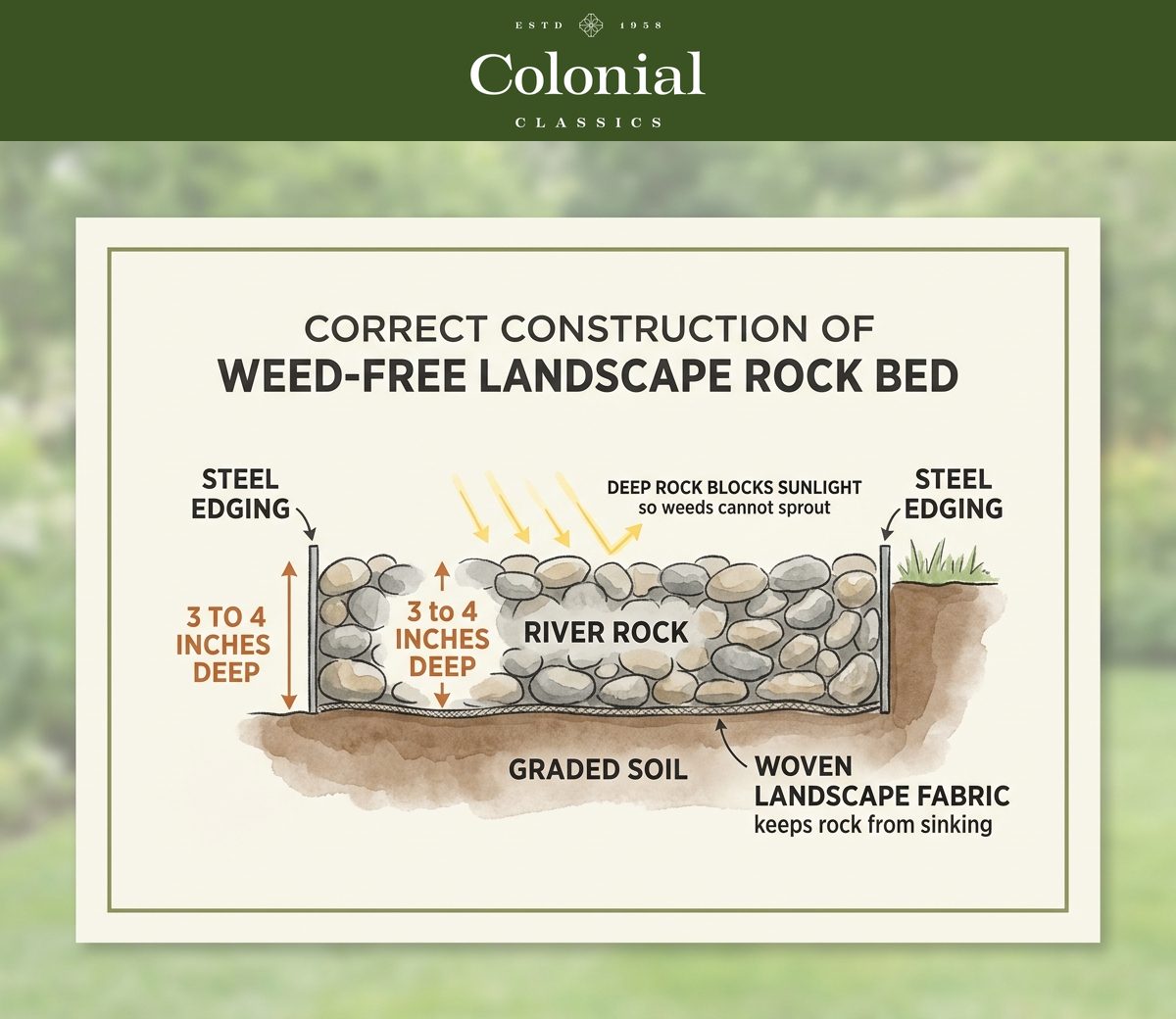
The single biggest factor in a weed-free rock bed is depth, not fabric. Spread rock to a finished depth of 3 to 4 inches so no sunlight reaches the soil underneath. University extension research points to a 2 to 4 inch mulch depth for weed suppression, and rock is no exception. Thin rock beds are the number one reason homeowners end up frustrated: at 1 or 2 inches, light gets through and weeds sprout right up through the stone.
Landscape fabric has a real job here, but not the one most people think. Its purpose is to keep rock from sinking into the soil and disappearing over the years, not to act as a permanent weed barrier. Over time, dust, leaves, and grass clippings settle on top of the rock and break down into a thin layer of soil, and weed seeds blow in and germinate in that layer above the fabric. That is why "weed blocker" fabric alone always seems to fail after a year or two.
To keep a rock bed clean for the long haul:
- Install edging: Steel, aluminum, or paver edging holds rock in place and stops grass from creeping in from the lawn.
- Blow off debris: Clear leaves and clippings off the rock each season before they decompose into weed-friendly soil.
- Apply a pre-emergent: A granular pre-emergent in early spring stops new weed seeds from sprouting. See our guide on pre-emergent timing for the right window.
- Spot-treat early: Pull or treat the occasional weed as soon as it appears, before it seeds and spreads.
How to Install Landscape Rock
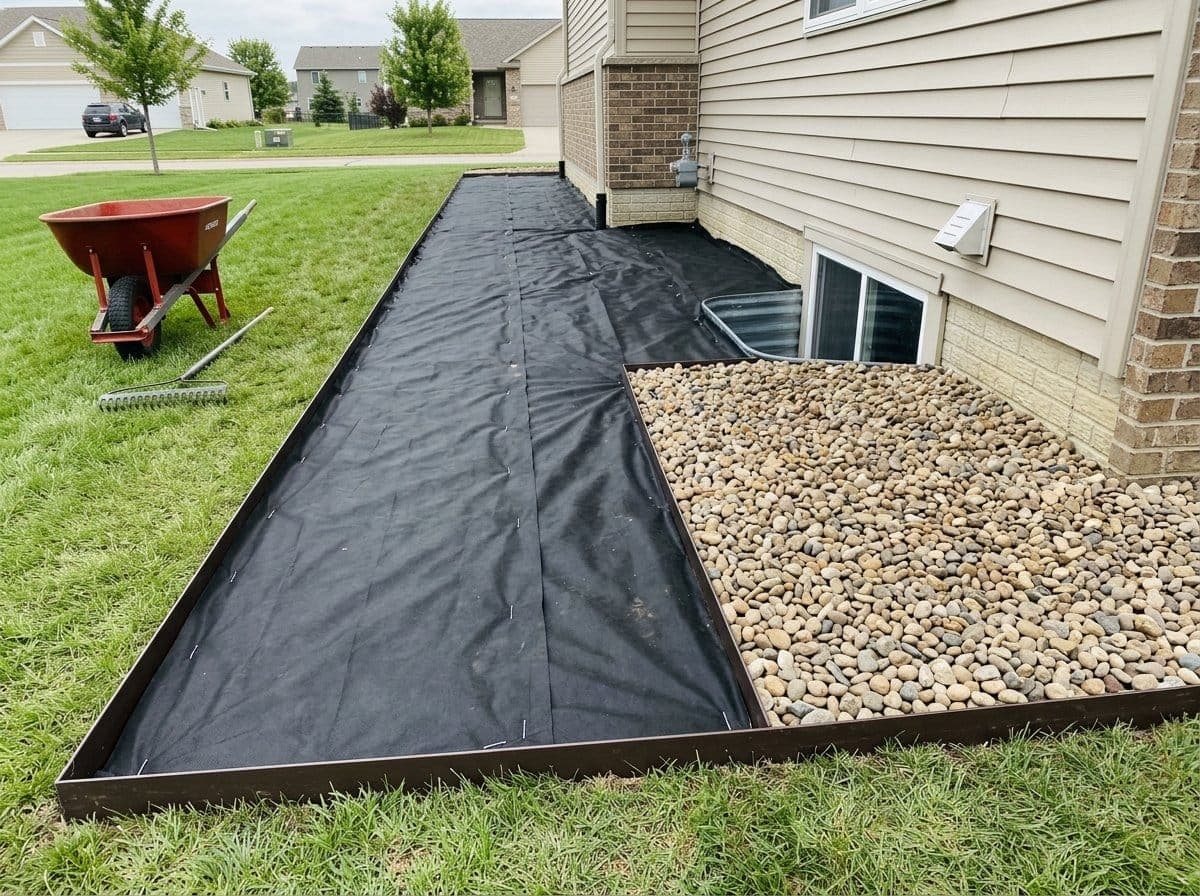
Installing rock is straightforward, but the prep is what makes it last. Clear the area down to bare soil and remove every weed and root. Install your edging, then grade the soil smooth and slope it slightly away from the house so water drains through. Roll out woven landscape fabric, overlapping seams by 6 inches and pinning it with staples. Finally, spread your rock to a full 3 to 4 inch depth and rake it level, keeping it just below the edging so it does not spill onto the lawn.
For large areas, drainage projects, or beds with existing plantings you want to protect, professional installation saves the backache and gets the depth and grading right the first time. Our team handles rock delivery and installation across the Tri-State area. Reach out for an estimate and we will help you pick the right stone and get it placed.